
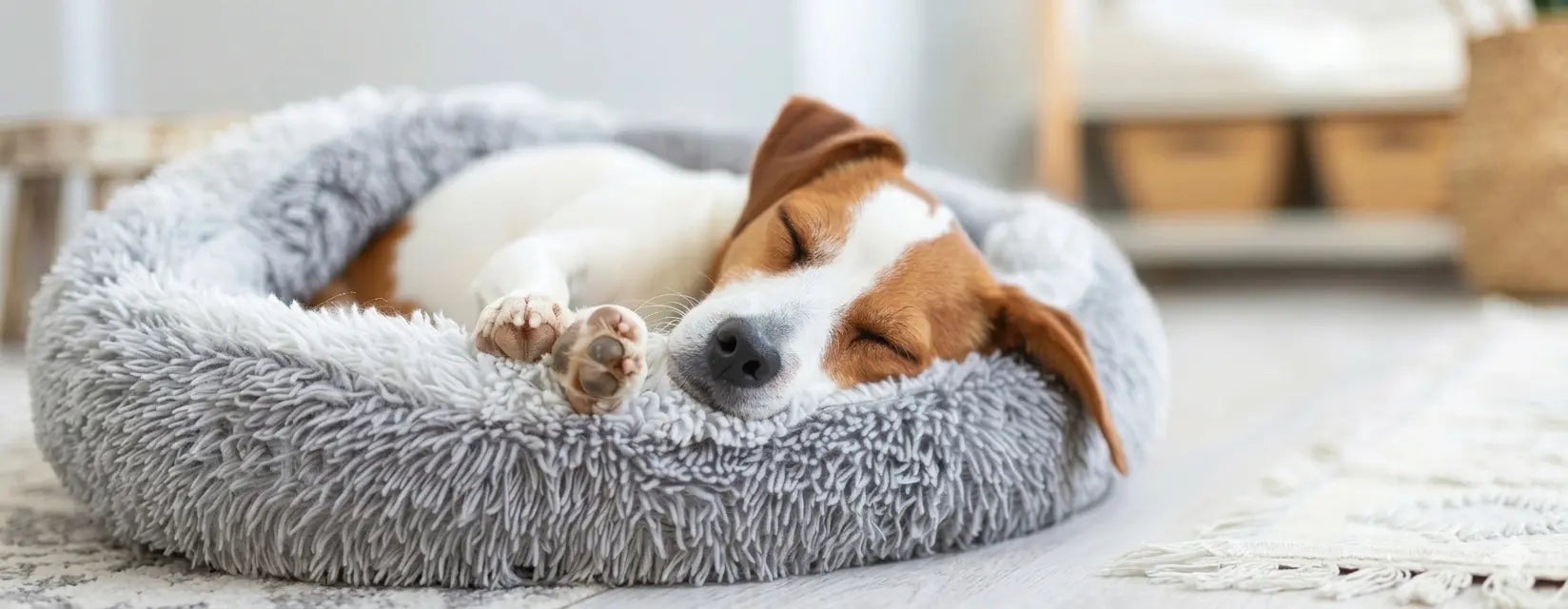
Your dog probably spends hours every day sleeping, napping and lounging in their pet bed. But when was the last time you actually washed it – or thought about replacing it?
A clean dog bed is about much more than smell or appearance. It’s closely linked to your dog’s skin health, comfort and even your family’s overall hygiene.
In this guide, we’ll cover:
- How often you should wash a dog bed
- How to clean a pet bed properly
- The benefits of a clean dog bed (and the risks if you don’t clean it)
- When it’s time to replace your pet bed
- Simple tips to keep your Skylos pet bed fresher for longer
Explore the full Skylos pet bed collection here:
👉 Skylos Dog Bed & Mats Collection
How Often Should You Wash a Dog Bed?
As a general rule:
- Wash your dog’s bed every 1–2 weeks
- Wash more frequently if:
- your dog has allergies or skin problems
- your dog sheds heavily
- the bed smells or looks dirty
- your dog often comes in wet or muddy
Covers that are easy to remove and wash (like many Skylos pet beds) make it much more realistic to keep this routine.
Why Keeping a Clean Dog Bed Matters
1. Healthier Skin and Coat
Over time, a pet bed collects:
- dirt and mud
- body oils
- loose fur
- saliva and tear stains
If not cleaned, this build‑up can:
- irritate sensitive skin
- worsen itching or allergies
- contribute to hot spots or infections
A clean dog bed reduces constant contact with irritants and supports healthier skin.
2. Fewer Parasites and Allergens
Washing your dog’s bed regularly helps remove:
- flea eggs and larvae
- dust mites
- pollen and outdoor allergens
This is especially important if:
- your dog has dust or environmental allergies
- anyone in the home has asthma or allergy sensitivities
3. Less Smell, Cleaner Home
Dog beds can hold onto odours even when your dog seems “clean”. Regular washing:
- keeps your home smelling fresher
- reduces that “dog smell” in rooms where your pet spends the most time
A clean, fresh‑smelling Skylos pet bed is nicer for both you and your dog.
What Happens If You Don’t Clean a Dog Bed?
A neglected pet bed can become:
- a breeding ground for bacteria and yeast
- a comfortable home for fleas and mites
- a constant source of odour and allergens
Potential consequences include:
- more frequent skin issues
- increased scratching and discomfort
- more pet hair and dust circulating in your home
- unpleasant smells that are hard to remove、
In short: not cleaning the bed doesn’t just affect how it looks – it affects your dog’s comfort and your indoor environment.
How to Clean a Dog Bed (Step by Step)
Always check the care label first, but most quality dog beds, including many Skylos pet beds, follow a similar process.
Step 1: Vacuum and Shake
- Remove loose hair, dirt and crumbs with a vacuum cleaner.
- Shake the bed or cover outside to get rid of extra dust and debris.
Step 2: Remove the Cover (If Applicable)
If your pet bed has a removable cover:
- Take the cover off completely.
- Wash the cover and the inner cushion separately if the label allows.
Step 3: Pre‑Treat Stains and Odours
- Use a pet‑safe stain remover on visible marks (mud, urine, etc.).
- For strong odours, sprinkle a little bicarbonate of soda on the cover and let it sit for 15–30 minutes before washing, then brush or vacuum off.
Step 4: Machine Wash (If Allowed)
Most washable covers can be washed:
- In cold or warm water (follow label instructions)
- On a gentle cycle
- With a mild, pet‑safe detergent (unscented is often best)
Avoid harsh chemicals or heavy fragrances that can irritate your dog’s skin or nose.
Step 5: Dry Thoroughly
- Air dry if possible, or use a low‑heat setting in the dryer if the label allows.
- Make sure the inner filling is completely dry to prevent mould or mildew.
Only return the Skylos pet bed to your dog once everything is fully dry and fresh.
When Should You Replace a Dog Bed?
Even with good care, every pet bed eventually needs replacing.
You should consider a new bed if:
The filling is flat or lumpy
- Your dog no longer gets proper support.
- This can be particularly uncomfortable for older dogs or those with joint issues.
The cover is torn or worn through
- Exposed foam or filling can be a choking hazard.
- It’s also difficult to keep truly clean.
Persistent odours remain after washing
- Deep smells trapped in old materials may never fully come out.
Your dog avoids the bed
- If your dog prefers the floor or another surface, the bed may no longer feel comfortable or secure.
At this stage, upgrading to a fresh, supportive Skylos pet bed can immediately improve your dog’s comfort and your home’s cleanliness.
Explore replacements here:
👉 Skylos Dog Bed & Mats Collection
Simple Tips to Keep a Dog Bed Cleaner for Longer
-
Use a blanket or cover on top
Place a washable throw over the bed and wash it between full bed washes. -
Brush your dog regularly
Less loose hair = less build‑up on the bed.
-
Clean paws after walks
Wipe muddy or wet paws before your dog climbs onto the pet bed. -
Spot clean quickly
Deal with small spills or accidents right away before they soak in.
-
Rotate between two covers or beds (if possible)
While one cover or Skylos pet bed is washing and drying, your dog still has a comfortable place to rest.
Why Consider a Skylos Pet Bed When It’s Time to Replace?
Skylos pet beds are designed with:
- Comfortable, supportive padding to protect joints and encourage deep rest
- Practical covers (on many models) that are easier to remove and clean
- Styles and sizes that work in real homes – from mats and mattresses to cushioned beds
If your current dog bed is:
- hard to wash
- always smelling “doggy”
- sagging or flat
…then upgrading to a new Skylos pet bed can make cleaning easier and give your dog a healthier, more inviting place to sleep.
👉 Browse the full range: Skylos Dog Bed & Mats Collection
Final Thoughts: A Clean Dog Bed = A Healthier, Happier Dog
To recap:
- Wash your dog’s bed every 1–2 weeks (or more often if needed).
- Use pet‑safe detergent, and always dry thoroughly.
- A clean dog bed supports better skin health, fewer allergens and a fresher home.
- Replace the bed when it’s flat, torn, smelly or no longer comfortable.
- Small daily habits can keep any pet bed cleaner for longer.
When it’s time for a new, easy‑to‑maintain bed, Skylos pet beds offer comfort for your dog and practicality for you – helping you keep both your pet and your home feeling fresh.


