
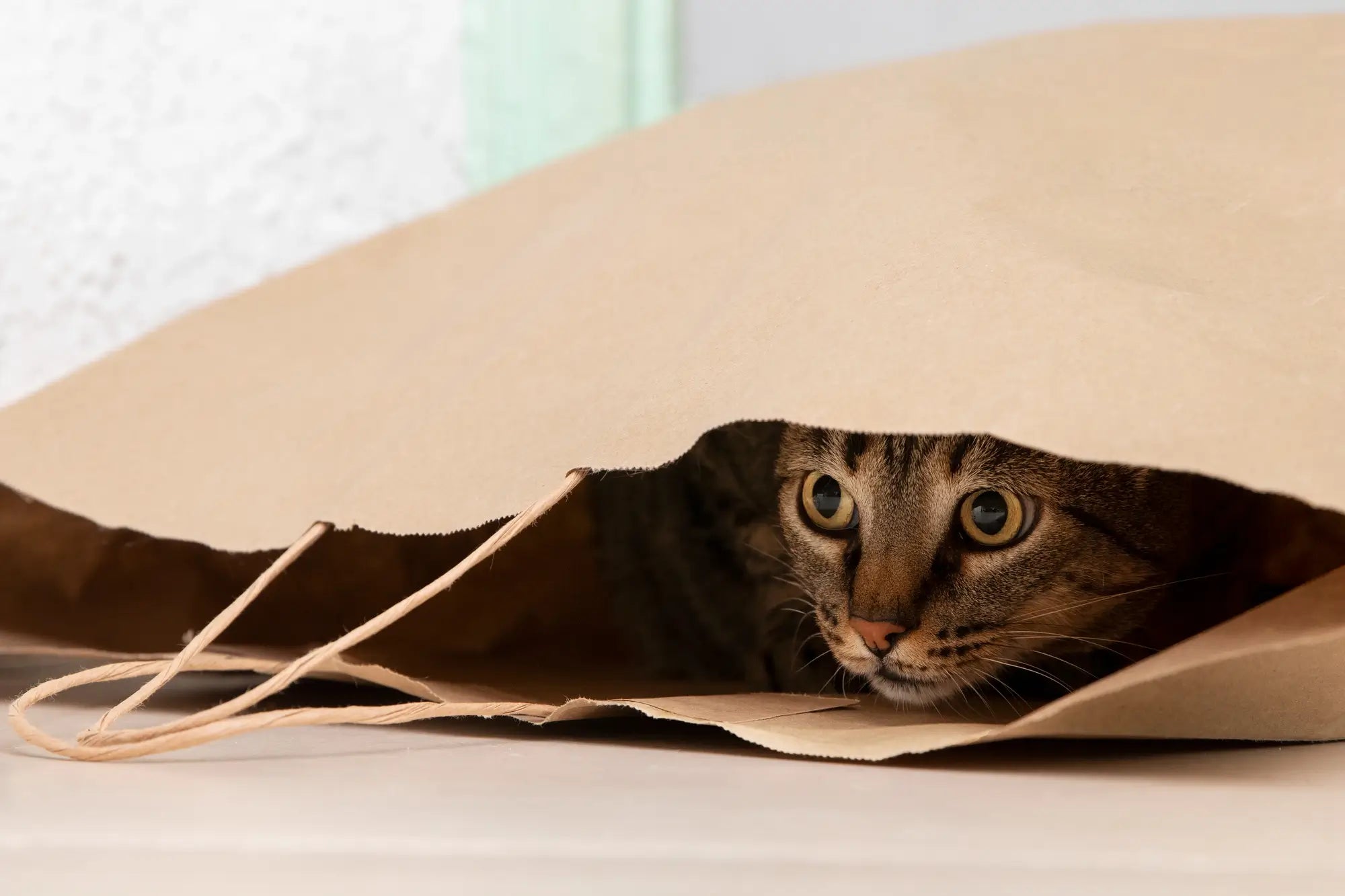
Walk into any pet shop or browse online and you’ll see endless options for feline furniture: soft cat beds, enclosed cat houses, cosy cat caves, hammock‑style loungers and more. But when you finally choose one and bring it home, your cat… ignores it and sleeps in the cardboard box instead.
Why does this happen? And how do you choose between a cat bed, cat house or cat cave so your indoor cat actually uses it?
In this guide, we’ll break down the differences between these three popular options, look at which cats tend to prefer which style, and share some practical tips to help you pick the right one for your home. We’ll also show how different designs in the Pet Skylos cat beds & cat houses collection can suit different feline personalities.
What’s the Difference Between Cat Beds, Cat Houses and Cat Caves?
Let’s start with simple definitions.
Cat Beds
Cat beds are usually open designs:
- Cushions, donut beds or sofa‑style loungers
- Low sides or bolsters but no roof
- Easy for your cat to step in and out
They’re the feline equivalent of a small armchair or mattress – visible, accessible and great for lounging.
Cat Houses
Cat houses are more like small pieces of furniture:
- Often box‑ or cube‑shaped with an entrance hole
- May look like mini houses, cubes or enclosed dens
- Sometimes made from fabric, felt, wood or a mix
They provide walls and partial roofing, giving cats a sense of a “room” that’s theirs.
Cat Caves
Cat caves (or igloo beds) are fully or mostly enclosed:
- Dome or cave‑shaped
- One entry hole, with the rest of the structure closed
- Typically made from soft but structured materials (felt, padded fabric, etc.)
They mimic natural dens or burrows – very appealing to shy or easily startled cats.
You’ll find all three types – open cat beds, enclosed cat houses and cosy cat caves – represented in the Pet Skylos cat bed & house range.
What Does Your Cat Really Prefer? Start With Personality
Not every cat wants the same thing. To decide between a cat bed, cat house or cat cave, think less about appearance and more about your cat’s behaviour.
1. The Confident Social Cat
Traits:
- Sleeps on sofas, beds and laps
- Happy to nap in the centre of the room
- Doesn’t hide when guests visit
Likely preferences:
- Open cat beds
- Sofa‑style or cushion designs
- Beds placed in main living areas
Why?
Confident cats want comfort with a good view. An open bed lets them stretch out, keep an eye on things and stay close to family activity.
2. The Shy or Anxious Cat
Traits:
- Hides under beds or behind furniture
- Startles at noise or sudden movements
- Prefers quiet rooms and corners
Likely preferences:
- Enclosed cat caves
- Covered cat houses with smaller entrances
- Beds placed in low‑traffic, quiet spots
Why?
Shy cats need a place that feels like a safe bunker. Walls and a roof reduce visual and sound stimulation, helping them relax more deeply.
3. The Independent “I’ll Be Over Here” Cat
Traits:
- Often chooses separate rooms to nap in
- Likes being close, but not too close
- Sometimes sleeps in doorways, landings or studies
Likely preferences:
- A mix of open beds and semi‑enclosed cat houses
- Beds in medium‑traffic areas where they can observe without being disturbed
Why?
These cats don’t necessarily need full caves, but do appreciate some structure and a defined “zone” that’s theirs.
4. The High‑Perch Hunter
Traits:
- Loves the top of wardrobes and shelves
- Spends time on cat trees or window ledges
- Watches everything from above
Likely preferences:
- Lightweight cat beds that can go on safe shelves or furniture
- Compact cat houses or low‑profile caves on higher surfaces
Why?
For these cats, height is first priority. The specific style matters less than whether the bed can be placed where they like to perch.
When a Cat Bed Is the Best Choice
Open cat beds are usually best when:
- Your cat is confident and social
- You want a bed in the living room or bedroom
- You prefer a design that blends with furniture
Pros:
- Easy access – especially for older cats or kittens
- Great for stretch‑out sleepers
- Simple to move and reposition
Cons:
- Less privacy for shy cats
- Doesn’t block out visual stimulation
Open beds from the Pet Skylos cat bed & house collection work especially well in shared spaces like lounges and bedrooms where your cat likes to hang out with you.
When a Cat House Is the Best Choice
Cat houses offer a middle ground between a bed and a full cave.
Best for:
- Cats that like some privacy but still peek out
- Multi‑cat homes, where defined “territory” reduces conflict
- Homes with children or dogs, where cats need safe zones
Pros:
- More structure and security than an open bed
- Often easier to fit into corners or under side tables
- Can look like stylish décor as well as a hideaway
Cons:
- Some very shy cats may still prefer even more enclosure
- Very large cats may find some houses cramped – check internal size
A well‑placed cat house can become a favourite retreat, especially if positioned where your cat already likes to hide.
When a Cat Cave Is the Best Choice
Cat caves or igloos are ideal when your cat:
- Is nervous, a rescue, or still settling into your home
- Hides frequently from visitors or household noise
- Seeks dark, enclosed places like under beds or in wardrobes
Pros:
- Strong sense of safety and “den‑like” comfort
- Great for deep, undisturbed sleep
- Useful in busy homes or open‑plan flats
Cons:
- Some confident cats might find them too enclosed
- Can be warmer – good in cooler homes, less ideal in hot weather
- Owners sometimes don’t see the cat while they’re inside
In the Pet Skylos cat bed & house range, cat caves are especially helpful for new cats adjusting to UK indoor life or for shy cats that need somewhere predictable to retreat.
Should You Choose One… or Offer All Three?
In many homes, the best answer isn’t “cat bed vs cat house vs cat cave”, but a combination:
For a single indoor cat:
- 1× open cat bed in the living room
- 1× enclosed cat cave or cat house in a quiet bedroom or study
For multi‑cat households:
- Multiple beds at different heights and locations
- A mix of open and enclosed options to avoid competition
Benefits of offering more than one style:
- Your cat can choose based on mood, temperature and noise level
- You reduce furniture use as “beds” (sofas, pillows, clothes piles)
- It’s easier to manage fur and keep specific areas clean
You can easily mix and match designs from the Pet Skylos cat beds & cat houses collection to build a “sleep network” across your home.
Matching Bed Type to Location in a UK Home
Living Room
Often best for:
- Open cat beds
- Low‑profile houses or caves tucked in corners
Goal: keep your cat near the family in a spot they actually find comfortable.
Bedroom
Ideal for:
- Cats that sleep with or near you
- Enclosed cat caves for night‑time security
Place the bed:
- Away from draughty windows
- Not blocking wardrobe doors or pathways
Office or Study
Good for:
- Cats that like to keep you company while you work
- Smaller beds or caves under or next to your desk
This can reduce the chance of them sitting on your keyboard all day.
Landings and Spare Rooms
Great locations for:
- Shy or independent cats
- Spare cat houses or caves
These spaces often have less traffic and give cats a quiet vantage point.
What If My Cat Ignores Their New Bed, House or Cave?
Very common – and not necessarily a sign you chose wrong.
Try this:
- Put the bed where your cat already likes to sleep, not where looks best
- Add a familiar blanket, T‑shirt or towel with your scent
- Use a little catnip if your cat responds well to it
- Leave the bed alone for a few days – don’t keep moving it
Sometimes it takes time for the bed to smell “right” before your cat trusts it.
If, after a few weeks, your cat still ignores a very enclosed cave, try:
- Moving it to a quieter or darker corner
- Opening the entrance side towards a wall to feel safer
- Adding a second, more open cat bed option they can choose instead
FAQs: Cat Beds vs Cat Houses vs Cat Caves
1. Which is best for a shy or newly adopted cat?
For shy or newly adopted cats, start with an enclosed cat cave or cat house placed in a quiet, low‑traffic room. Once they feel safer, you can add an open cat bed in a more central location for when they’re ready to be social.
2. Which is best for a confident, social cat?
Confident, social cats usually love open cat beds in living rooms or bedrooms. They want comfort, visibility and proximity to you. A secondary cat cave or house in a quieter spot can still be useful for occasional alone time.
3. Are cat houses and cat caves suitable for hot weather?
They can be, but:
- Choose breathable materials in warmer months
- Avoid placing them in direct sunlight or very hot rooms
- Offer an extra, more open cat bed so your cat can choose a cooler option
4. Can I put a cat cave on a high shelf or wardrobe?
Yes, but:
- Make sure the surface is stable and wide enough
- Ensure your cat has safe routes up and down
- Avoid placing the cave where it might be knocked off by accident
Some cats love high, enclosed dens; others may prefer open cat beds for perching.
5. Where can I find cat beds, cat houses and cat caves that suit different cat personalities?
At Pet Skylos, our cat beds & cat houses collection includes:
- Open cat beds for loungers
- Enclosed cat caves for shy or nervous cats
- Stylish cat houses that slot neatly into UK homes
If you’re not sure what your cat prefers, starting with one open bed and one enclosed option in different locations is often the best way to let them show you.


