
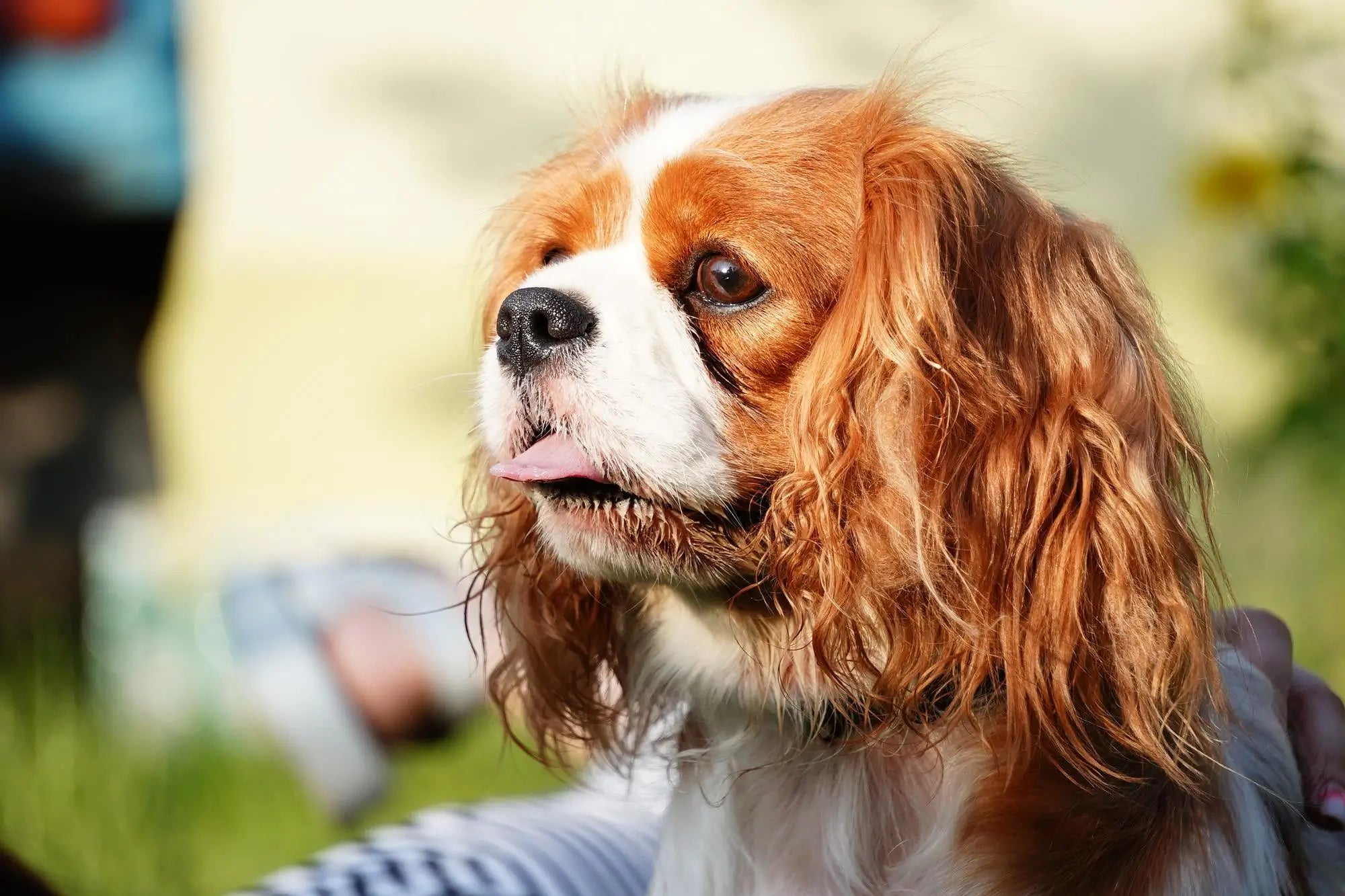
The Cavalier King Charles Spaniel is one of the UK’s most loved toy dog breeds. Small, elegant and incredibly affectionate, Cavaliers are true companion dogs that thrive on human contact and a cosy spot by your side.
This guide covers:
- Typical Cavalier King Charles Spaniel temperament
- Exercise, grooming and daily care
- Common health issues to watch for
- How to choose the right dog bed for a Cavalier
- FAQs for current and future Cavalier owners
Cavalier King Charles Spaniel Temperament & Personality
Cavaliers are often described as gentle, affectionate and adaptable. They were bred primarily as lap and companion dogs, and it shows.
Typical traits:
- Extremely people‑oriented – happiest when near their humans
- Usually friendly with children, strangers and other pets
- Less independent than many breeds – they don’t like being left alone for long periods
- Calm indoors if their modest exercise needs are met
If you’re looking for a loving companion dog that enjoys cuddling on the sofa as much as going for a walk, the Cavalier King Charles Spaniel is a strong choice.
Exercise & Training Needs
Exercise
Despite their small size, Cavaliers still need regular movement to stay healthy:
- Around 45–60 minutes of gentle to moderate exercise per day
- Mix of walks, light play and sniffing opportunities
- Avoid over‑exertion in very hot weather
Because they’re prone to heart issues and weight gain, consistent, moderate exercise is more important than intense sessions.
Training
Cavaliers are:
- Intelligent and eager to please
- Generally easy to train with positive reinforcement
- Sensitive to harsh handling
Training focus:
- Basic obedience (sit, stay, come, leave it)
- Loose‑lead walking
- Calm settling – teaching them to relax on their dog bed or mat while you work or relax
They respond very well to food rewards and gentle, consistent guidance.
Grooming & Everyday Care
Cavaliers have a silky, medium‑length coat with feathering on ears, chest, legs and tail.
Grooming
- Brushing: 3–4 times per week to prevent tangles and mats
- Ears: Check regularly – long ears can trap moisture and debris
- Bathing: Every 4–6 weeks or when dirty
- Nails & teeth: Regular trimming and dental care are essential
Because Cavaliers love to be close to you – often on sofas, beds and rugs – giving them a designated, cosy dog bed helps manage shedding and keeps your furniture cleaner.
Cavalier King Charles Spaniel Health: What to Watch For
While Cavaliers are wonderful companions, the breed is known for several serious health concerns. Choosing responsible breeders and staying on top of vet care is critical.
Common Health Issues
-
Mitral Valve Disease (MVD)
- A degenerative heart condition very common in the breed
- Regular vet check‑ups and heart auscultation are essential
- Weight control and moderate exercise help overall heart health
-
Syringomyelia (SM)
- A neurological condition linked to skull shape
- Can cause pain, scratching, sensitivity and other symptoms
- Requires specialist diagnosis and management
-
Eye Problems
- Cataracts, dry eye and other issues can occur
- Routine checks and early treatment are important
-
Ear Infections
- Long, heavy ears can trap moisture
- Keep ears clean and dry, especially after baths or wet walks
-
Obesity
- Cavaliers love food and can gain weight quickly
- Excess weight worsens heart and joint issues
A comfortable, supportive dog bed that encourages rest and reduces stress on joints is a simple but meaningful part of everyday health management.
Home Life & Environment
Cavaliers are indoor companions first and foremost:
- They love being wherever you are – living room, office, bedroom
- Not suited to being left outside or in kennels
- Do best in homes where someone is around for a good part of the day
Providing a soft dog bed in key living areas gives your Cavalier:
- A secure, familiar place to relax
- Support for joints and spine, especially as they age
- A defined “calm zone” to retreat to when the house is busy
Explore suitable beds here:
👉 Skylos Dog Bed Mats Collection
Choosing the Best Dog Bed for a Cavalier King Charles Spaniel
Because Cavaliers often have heart and joint considerations, the right dog bed can greatly improve quality of life.
Key features:
-
Soft but supportive padding
- Cushions elbows, hips and spine
- Helps older or less active Cavaliers rest comfortably
-
Calming, nest‑like designs (optional)
- Many Cavaliers love to curl up and feel gently “hugged” by raised sides
- A calming‑style bed can help anxious dogs feel more secure
-
Correct size
- Small to medium, with space to stretch or curl
- Not so large that it loses the cosy feeling
-
Washable cover
- Cavaliers shed and may drool slightly
- Easy‑wash covers keep the sleeping area fresh and hygienic
You can find options that match a Cavalier’s size and sleeping style here:
👉 Skylos Dog Bed Mats
Is a Cavalier King Charles Spaniel Right for You?
A Cavalier can be a perfect match if you:
- Want a gentle, affectionate companion
- Have time to provide daily company – they don’t like being left alone all day
- Are prepared for regular grooming and potential health costs
- Can offer a calm home, moderate exercise and a cosy dog bed
They are not ideal for very high‑activity owners wanting a running partner, or for homes where dogs are frequently left alone for long stretches.
Cavalier King Charles Spaniel FAQs
1. Are Cavaliers good with children?
Yes, generally:
- Cavaliers are usually gentle and patient with respectful children
- Early socialisation and supervision are still essential
They are one of the most popular family companion dog breeds for calmer households.
2. How much exercise does a Cavalier need?
Most adult Cavaliers do well with:
- 45–60 minutes of daily exercise, split into one or two walks
- Light play and indoor activities
Given their heart risks, focus on regular, moderate activity rather than intense, high‑impact exercise.
3. Do Cavaliers bark a lot?
They can bark to alert or when excited, but many Cavaliers are relatively moderate barkers compared to some toy breeds. Training and sufficient mental stimulation help keep barking under control.
4. What kind of dog bed is best for a Cavalier King Charles Spaniel?
The ideal dog bed for a Cavalier is:
- Soft and supportive
- Sized for a small to medium dog
- Either mattress‑style or a cosy, calming nest
Beds from the Skylos range that offer gentle support and a sense of security are especially suitable.
5. Are Cavaliers easy to train?
Yes. Cavaliers are:
- Intelligent
- Eager to please
- Sensitive to tone
They respond very well to positive reinforcement and gentle, consistent training, particularly when paired with clear routines (including regular “settle on your bed” cues).
With thoughtful care – including heart‑aware exercise, regular grooming, preventative vet checks and a comfortable dog bed to rest on – the Cavalier King Charles Spaniel can be one of the most affectionate and rewarding companions you can welcome into your UK home.


