
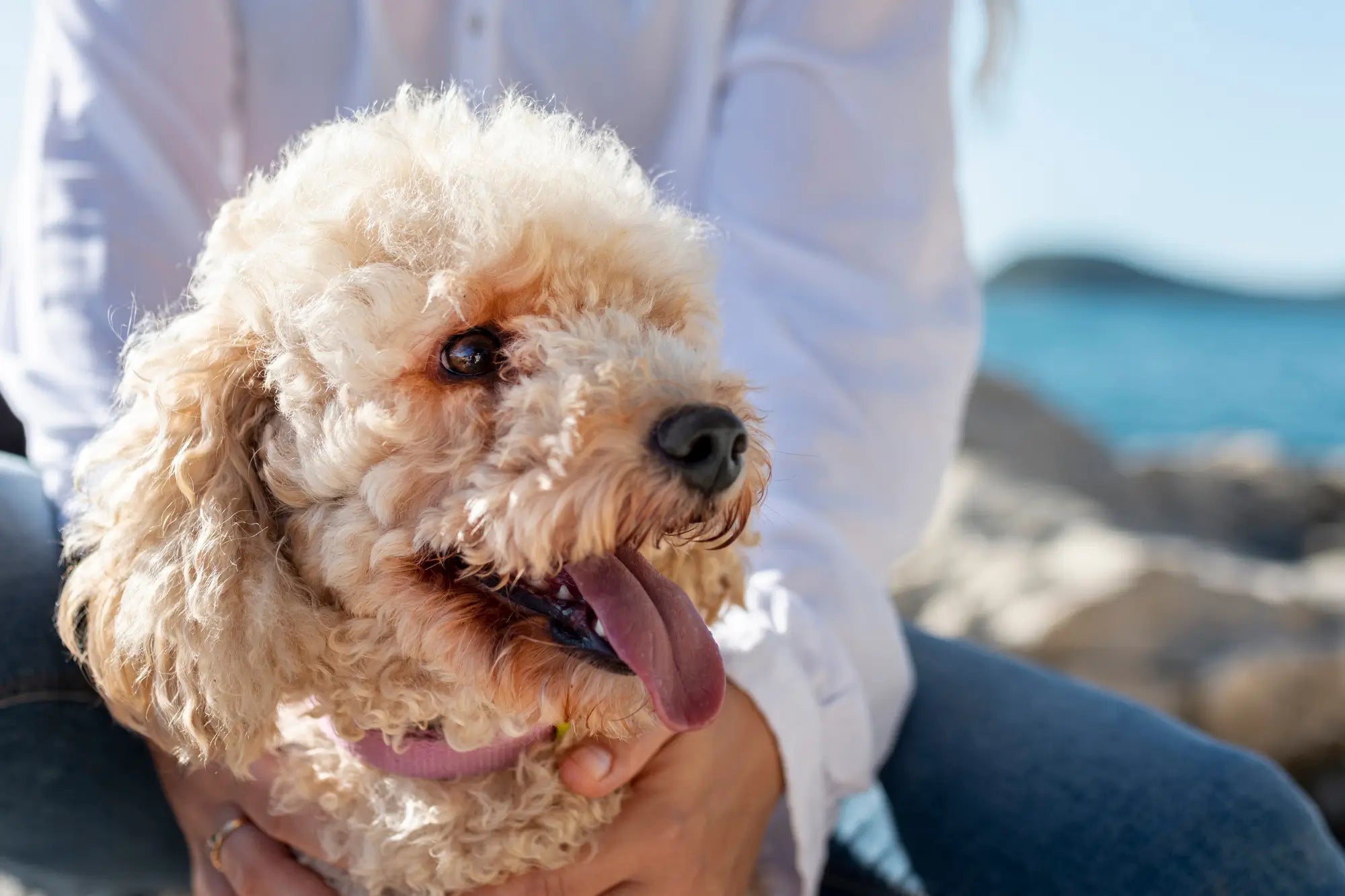
The Cockapoo – a cross between a Cocker Spaniel and a Poodle – has become one of the most popular companion dogs in the UK. Friendly, fun and often lower‑shedding than many breeds, Cockapoos fit well into busy families, couples and first‑time dog homes.
This guide covers:
- Typical Cockapoo temperament and behaviour
- Exercise, grooming and daily care
- Common health issues in Cocker Spaniel x Poodle crosses
- How to choose the right dog bed
- Why a safe dog car seat matters for Cockapoo owners
- FAQs for current and future Cockapoo owners
Cockapoo Temperament & Personality
Most Cockapoos are bred as companion dogs, taking traits from both parent breeds.
Typical traits:
- Friendly and social – usually enjoy meeting people and other dogs
- Often good with children when properly socialised
- Intelligent and eager to please, thanks to Poodle and Spaniel heritage
- Can be quite energetic and playful, especially when young
They love to be around their family and often dislike being left alone for long periods, so they suit homes where someone is around for a good chunk of the day.
Exercise & Training Needs
Exercise Requirements
Cockapoos are moderately to highly active, depending on lines and individual temperament.
For a healthy adult Cockapoo:
- Aim for around 60–90 minutes of daily exercise, including:
- Walks on and off lead (where safe and legal)
- Playtime (fetch, tug, scent games)
- Short training or trick sessions
They are usually great all‑rounders – happy with park walks, weekend adventures and active play in the garden.
Training
Cockapoos are generally:
- Quick learners
- Highly responsive to food and toy rewards
- Sensitive to tone and body language
Key training areas:
- Loose‑lead walking – they can pull if not taught early
- Recall – especially as many Cockapoos love chasing birds or scents
- Calm behaviour in the home – teaching them to settle on their dog bed rather than constantly demanding attention
Positive reinforcement, consistency and early socialisation are essential for a well‑rounded Cockapoo.
Grooming & Coat Care
One of the main reasons people choose a Cockapoo is the coat – but it’s important to know that:
- Cockapoos are not guaranteed hypoallergenic
- They may shed less than some breeds, but many still shed to some degree
- Their coat can be curly, wavy or somewhere in between, and usually needs regular grooming
Grooming Needs
-
Brushing:
- Ideally daily or at least several times a week to prevent tangles and mats
-
Professional grooming:
- Every 6–8 weeks for most Cockapoos
-
Bathing:
- As needed, depending on activity and dirt, usually every 4–8 weeks
-
Ears & eyes:
- Regular checks – both Poodle and Spaniel lines can be ear‑issue prone
-
Teeth & nails:
- Routine dental care and nail trimming
Because their coat can pick up mud and debris easily, having a washable dog bed helps keep your home cleaner and gives them a dry, comfy place to rest after walks.
Home Life: Rest, Routine & Travel
Rest & Dog Beds
Cockapoos are active but also love to snuggle. A comfortable dog bed gives them:
- A place to unwind after busy days
- Joint support as they age, especially for medium‑sized Cockapoos
- A “safe spot” to relax in busy family homes
Look for:
- Soft but supportive padding (orthopaedic foam is a bonus)
- A size that allows them to stretch or curl up comfortably
- Washable covers, as their coats can trap dirt and moisture
Explore Cockapoo‑friendly options:
👉 Skylos Dog Bed Mats Collection
Car Travel & Dog Car Seats
Cockapoos often go everywhere with their owners – parks, cafes, holidays. A secure dog car seat or travel solution is essential for safety and comfort.
Benefits of a dog car seat for Cockapoos:
- Keeps your dog safely restrained and reduces driver distraction
- Offers a cosy, contained space – helpful for anxious travellers
- Often raises smaller Cockapoos so they can see out of the window, reducing motion sickness
Browse safe travel options here:
👉 Skylos Dog Car Seats & Strollers
Cockapoo Health: What to Watch For
Cockapoos can be healthy crossbreeds, but they may inherit some health risks from Cocker Spaniels and Poodles.
Common Health Concerns
-
Ear Infections
- Floppy, often hairy ears can trap moisture and debris
- Regular cleaning and keeping ears dry help prevention
-
Allergies & Skin Sensitivities
- Some Cockapoos develop itchiness or sensitivities
- A clean, regularly washed dog bed helps reduce contact with dust and allergens
-
Joint Issues (Hip Dysplasia, Patella Luxation)
- Some lines may be prone to joint problems
- Maintaining a healthy weight and providing a supportive dog bed can protect joints
-
Eye Conditions
- Cataracts, PRA and other inherited issues can occur
- Responsible breeders health‑test parent dogs
-
Dental Problems
- Smaller Cockapoos may have crowded teeth
- Regular dental checks and cleaning are important
Routine vet visits, good diet, weight control and a suitable lifestyle are key to long‑term Cockapoo health.
Is a Cockapoo Right for You?
A Cockapoo may be a great match if:
- You want a friendly, sociable family dog
- You can provide daily exercise and mental stimulation
- You are prepared for regular grooming and coat maintenance
- You’ll include them in daily life – not leave them alone for long days, every day
They are not ideal for owners who want a very low‑maintenance dog or who dislike grooming and coat care.
Cockapoo FAQs
1. Are Cockapoos good family dogs?
Yes, Cockapoos are often excellent family dogs when well bred and socialised:
- Typically friendly and playful with children
- Usually get along with other dogs and pets
Supervise interactions with young children and teach gentle handling.
2. Are Cockapoos hypoallergenic?
No breed or cross is truly 100% hypoallergenic.
- Many Cockapoos may shed less and produce fewer allergens than some breeds
- Individual reactions vary – people with allergies should meet adult Cockapoos first
Regular grooming, cleaning and a washable dog bed help reduce allergen levels at home.
3. How much exercise does a Cockapoo need?
Most adult Cockapoos need:
- Around 60–90 minutes of daily exercise
- A mix of physical activity and mental games
After exercise, encourage calm time by guiding them to their dog bed to rest.
4. Do Cockapoos travel well in cars?
Many Cockapoos adapt well to car travel, especially if:
- Introduced gradually
- Given a comfortable dog car seat or travel crate
- Associated with positive experiences (walks, outings)
A dog car seat helps keep them safe and reduces anxiety.
5. What kind of dog bed is best for a Cockapoo?
The ideal dog bed for a Cockapoo is:
- Soft and cosy, with supportive padding
- Medium‑sized (depending on your dog’s build)
- Durable and machine‑washable
Both calming beds and orthopaedic mats from Skylos can work well, depending on whether your Cockapoo prefers to curl up or stretch out.
With the right care – including proper grooming, exercise, training, a supportive dog bed and a safe dog car seat for travel – a Cockapoo can be a joyful, affectionate companion perfectly suited to modern UK life.


