
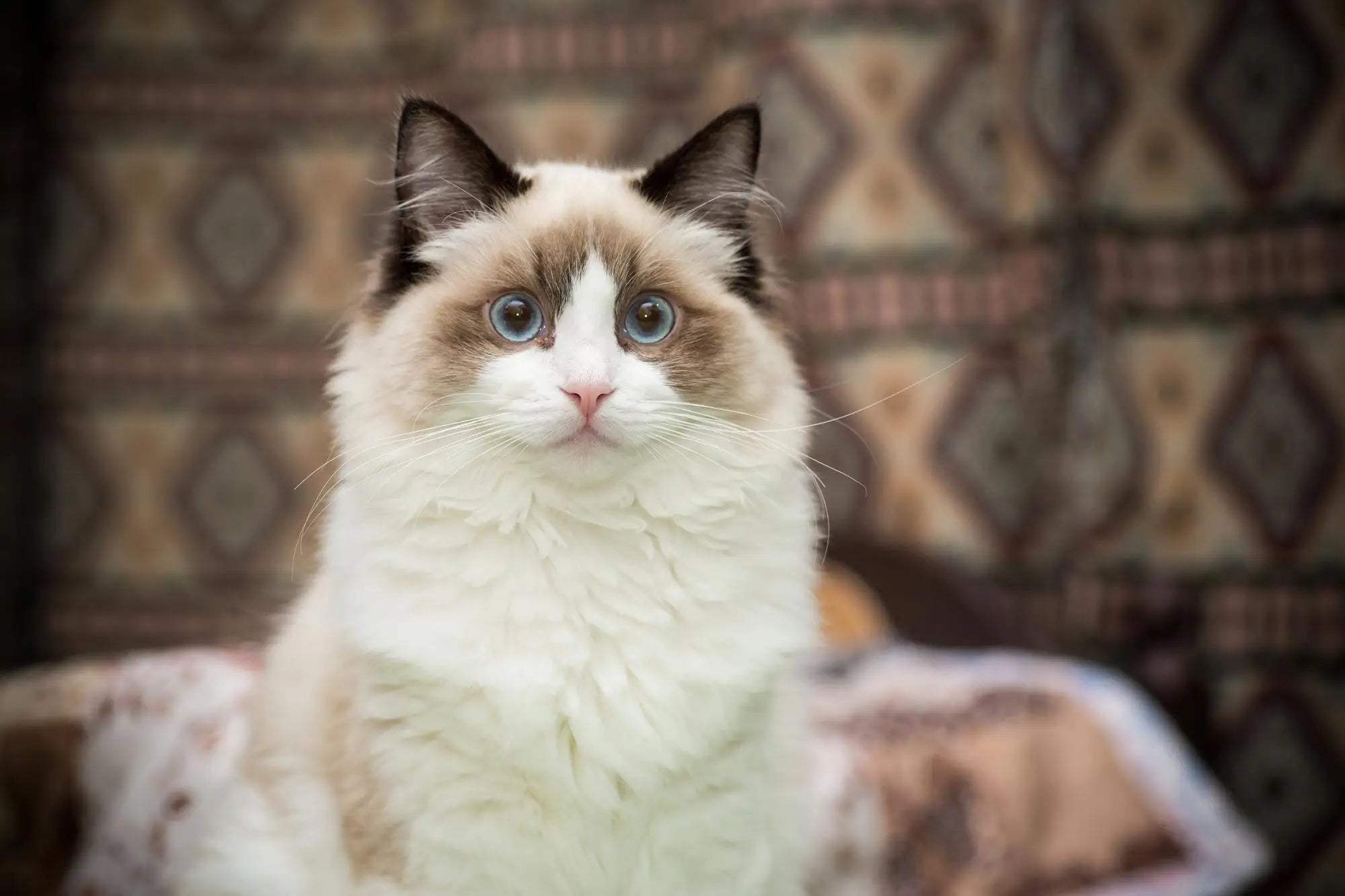
The Ragdoll is one of the most popular companion cat breeds in the UK – famous for its relaxed nature, striking blue eyes and semi‑long silky coat. If you’re looking for a calm, indoor‑friendly cat that loves human company, the Ragdoll is often top of the list.
This guide covers:
- Typical Ragdoll temperament and behaviour
- Grooming and everyday care
- Common Ragdoll health concerns
- How to choose the right cat bed
- Why good cat litter boxes matter for a Ragdoll home
- FAQs for current and future Ragdoll owners
Ragdoll Temperament & Personality
Ragdolls are often described as gentle, relaxed and people‑oriented. Many will happily flop in your arms or across your lap – the trait that gave them their name.
Typical Ragdoll traits:
- Affectionate and social – enjoy being near their humans
- Usually tolerant and calm, often good with respectful children and other pets
- More likely to follow you around than hide away
- Generally not very vocal, compared to breeds like Siamese
Ragdolls are ideal for owners who want a low‑drama, indoor‑friendly companion who enjoys quiet time as much as gentle play.
Indoor Lifestyle & Environment
Ragdolls are usually kept as indoor or indoor‑only cats for several reasons:
- Their trusting nature makes them less streetwise
- Their coat can tangle and pick up dirt easily
- Busy roads and outdoor risks are a concern
To keep an indoor Ragdoll happy:
- Provide vertical spaces (cat trees, shelves) and window perches
- Offer interactive play sessions daily
- Create cosy rest areas with a comfortable cat bed in quiet parts of the home
A dedicated, soft cat bed or cat house gives your Ragdoll a safe place to unwind between interactions.
Explore options here:
👉 Skylos Cat Bed & House Collection
Grooming & Coat Care
Ragdolls have a semi‑long, silky coat with a soft texture. They lack a heavy undercoat, which can mean fewer mats than some longhaired breeds, but they still need regular care.
Grooming Routine
-
Brushing:
- 2–3 times per week, more during seasonal shedding
- Focus on armpits, behind the ears, and belly – common mat areas
-
Bathing:
- Occasionally, if coat gets greasy or dirty (many Ragdolls do fine with just regular brushing)
-
Nails, ears and teeth:
- Routine nail trims
- Check ears for redness or dirt
- Brush teeth where possible or use vet‑recommended dental care
A comfortable cat bed in a draft‑free area also keeps your Ragdoll’s coat cleaner and less prone to tangles, as they’ll be less likely to sleep in dusty corners or directly on cold hard floors.
Litter Habits & Cat Litter Boxes
Ragdolls are typically clean cats that appreciate a quiet, spacious litter area.
Key litter box considerations:
-
Size:
- Ragdolls are medium‑large cats; they need large cat litter boxes to turn and dig comfortably.
-
Type:
- Many owners prefer enclosed or high‑sided cat litter boxes to reduce scatter and manage odour.
- Stainless steel options are popular for hygiene and odour control.
-
Number of boxes:
- General rule: one litter box per cat, plus one extra.
-
Location:
- Quiet, low‑traffic areas away from food and water.
Explore hygienic options for Ragdoll homes:
👉 Skylos Cat Litter Boxes & Litters
Regular scooping and cleaning help keep a Ragdoll consistently using their box and prevent accidents.
Health & Common Issues in Ragdolls
With good breeding and care, Ragdolls can be healthy, long‑lived cats, but they are predisposed to certain conditions.
1. Hypertrophic Cardiomyopathy (HCM)
- A heart disease seen in several breeds, including Ragdolls
- Responsible breeders screen breeding cats for HCM genes
- Regular vet check‑ups are important, especially as they age
2. Polycystic Kidney Disease (PKD)
- Less common than in some other breeds, but still a consideration
- Reputable breeders health‑test lines
3. Joint and Mobility Issues
- Ragdolls are relatively large and heavy‑boned
- Extra weight can strain joints
- A supportive, padded cat bed helps protect elbows, hips and spine as they age
4. Obesity
- Indoor Ragdolls can gain weight if over‑fed and under‑exercised
- Monitor portions and use interactive play to keep them moving
Regular vet visits, weight management and an enriched indoor environment are key to long‑term health.
Choosing the Best Cat Bed for a Ragdoll
Because Ragdolls are large, relaxed and love lounging, the right cat bed makes a big difference to their comfort.
Look for:
-
Generous size
- Large enough for full stretch or classic Ragdoll “flop” positions
-
Soft, supportive padding
- Cushions joints and encourages deeper rest
-
Warm, secure design
- Many Ragdolls enjoy semi‑enclosed beds or houses that feel den‑like
-
Easy‑clean covers
- Removable and washable fabrics help manage shedding and dander
You can browse beds and cat houses well‑suited to Ragdolls here:
👉 Skylos Cat Bed & House Collection
Ragdoll Personality in Daily Life
In a typical UK home, a Ragdoll will:
- Follow you from room to room
- Enjoy lounging on sofas, beds and sunny spots
- Appreciate gentle play sessions with wand toys and interactive games
- Often prefer company over solitude – they do best in homes where people are around regularly
Providing a mix of:
- Quality cat beds
- Engaging toys
- Clean, accessible cat litter boxes
…helps keep your Ragdoll balanced, confident and content.
Ragdoll FAQs
1. Are Ragdolls good family cats?
Yes, Ragdolls are often excellent family cats:
- Typically gentle and tolerant
- Usually good with children who are calm and respectful
- Often get along with other friendly pets
As always, supervise interactions with young children and teach gentle handling.
2. Do Ragdolls need to be indoor only?
Many Ragdolls are kept indoors only or with secure outdoor access (catios, enclosed gardens) because:
- They are trusting and less streetwise
- Their coat can get dirty and matted outdoors
- Traffic and other outdoor risks are higher
If kept indoors, an enriched environment and a cosy cat bed are essential.
3. How much grooming does a Ragdoll need?
Ragdolls need:
- Brushing 2–3 times per week
- Occasional baths if necessary
- Regular nail, ear and dental checks
This is less intensive than many longhaired breeds, but more than very short‑haired cats.
4. Are Ragdolls prone to health problems?
Like any purebred cat, Ragdolls can be prone to:
- HCM (heart disease)
- Some joint and mobility issues
- Obesity if over‑fed and under‑exercised
Choosing a reputable breeder and maintaining a healthy weight, along with a supportive cat bed and regular vet checks, helps reduce risks.
5. What kind of litter box is best for a Ragdoll?
Because they are larger cats, Ragdolls benefit from:
- Large, sturdy cat litter boxes
- Enough space to turn and dig comfortably
- Hygienic materials, such as stainless steel, for easier cleaning and better odour control
Pairing a quality litter box with appropriate litter and daily scooping keeps your Ragdoll’s toilet habits reliable and your home fresh.
With their calm temperament, striking looks and affectionate nature, Ragdolls make wonderful indoor companions for many UK households. Add a comfortable cat bed, clean, spacious cat litter boxes and regular grooming, and your Ragdoll will have everything they need for a relaxed, happy life.


