
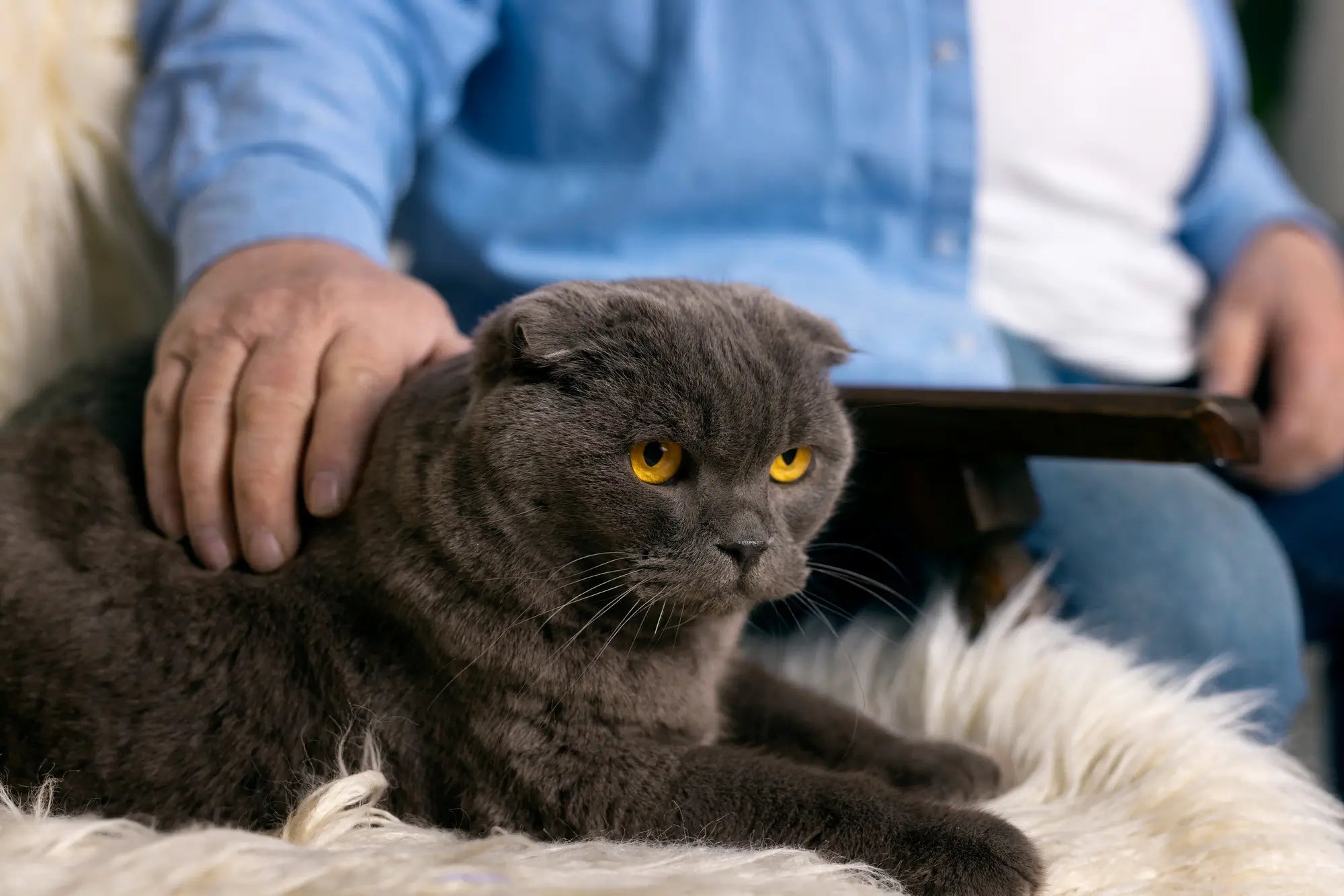
The British Shorthair is one of the UK’s most iconic cat breeds: round face, dense plush coat and a calm, teddy‑bear charm. If you’re looking for a relaxed, low‑drama companion that fits well into modern British homes, the British Shorthair is hard to beat.
This guide covers:
- Typical British Shorthair temperament and behaviour
- Grooming and everyday care
- Common health concerns
- How to choose the right cat bed
- Why good cat litter boxes matter for this solid, medium‑large breed
- FAQs for current and future British Shorthair owners
British Shorthair Temperament & Personality
British Shorthairs are known for being calm, independent but affectionate on their own terms.
Typical traits:
- Easygoing and undemanding – not usually “velcro cats”
- Enjoy human company but often happy to just “be near” rather than on your lap all the time
- Usually good with children and other pets when properly introduced
- Less vocal than many other breeds
They’re ideal for owners who want a quiet, steady companion, not a high‑energy, attention‑demanding cat.
Indoor Lifestyle & Environment
British Shorthairs adapt well to indoor or indoor‑plus‑secure‑garden living, especially in UK flats or townhouses.
To keep them happy indoors:
- Provide sturdy vertical spaces (cat trees, shelves) – they’re solid cats, so cheap trees may wobble
- Offer daily interactive play to prevent weight gain and boredom
- Create cosy resting spots with a supportive cat bed in quiet corners
A dedicated cat bed or cat house helps them feel secure and gives them a comfortable, warm place to rest away from household traffic.
Explore suitable options:
👉 Skylos Cat Bed & House Collection
Grooming & Coat Care
Despite their plush, dense coat, British Shorthairs are fairly low‑maintenance compared to longhaired breeds.
Grooming Routine
-
Brushing:
- 1–2 times per week normally
- More frequently during shedding seasons to remove loose undercoat
-
Bathing:
- Usually not necessary unless very dirty – most British Shorthairs keep themselves clean
-
Nails, ears and teeth:
- Routine nail trims
- Occasional ear cleaning
- Regular dental care or vet‑recommended dental products
A clean, padded cat bed helps keep their coat in good condition by reducing contact with cold or dirty floors and giving them a preferred sleeping spot.
Litter Habits & Cat Litter Boxes
British Shorthairs are typically reliable litter box users when their environment is set up well.
Key points:
-
Size:
- They are medium‑large, cobby cats; they need roomy cat litter boxes to move, turn and dig.
-
Type:
- High‑sided or enclosed boxes can help contain litter scatter from strong digging.
- Stainless steel litter boxes are excellent for hygiene and odour control.
-
Number of boxes:
- One box per cat, plus one extra, is a good rule in multi‑cat homes.
-
Location:
- Quiet, easily accessible spots away from food and water.
Explore hygienic, practical options:
👉 Skylos Cat Litter Boxes & Litters
Regular scooping and cleaning are essential to keep a British Shorthair using the tray consistently.
British Shorthair Health: What to Watch For
With responsible breeding and good care, British Shorthairs can be healthy, long‑lived cats, but there are some common concerns.
1. Obesity
This is the biggest risk for the breed:
- British Shorthairs are naturally solid and muscular, but can easily become overweight.
- Excess weight increases the risk of diabetes, joint issues and heart problems.
Prevention:
- Measured meals rather than free‑feeding
- Daily play sessions
- Regular weight checks
A well‑sized, supportive cat bed can help cushion joints if your cat is heavier or older.
2. Hypertrophic Cardiomyopathy (HCM)
- A heart disease found in several breeds, including British Shorthairs.
- Responsible breeders screen lines; owners should keep up with vet check‑ups.
3. Joint and Mobility Issues
- Heavier cats can develop arthritis or joint strain over time.
- A padded, stable cat bed supports joints and makes resting more comfortable.
Regular veterinary checks, healthy weight management and an appropriate indoor setup go a long way for this breed.
Choosing the Best Cat Bed for a British Shorthair
Because of their sturdy build and love of lounging, a British Shorthair benefits from a well‑chosen cat bed.
Look for:
-
Generous size
- Enough room to sprawl or curl, without hanging over the sides.
-
Supportive padding
- Not just a thin mat – a properly cushioned cat bed protects joints and encourages proper rest.
-
Warm, cosy design
- Many British Shorthairs enjoy semi‑enclosed beds or bolstered edges they can lean against.
-
Easy‑clean covers
- Removable, washable fabrics are ideal for managing shedding and dander.
Browse beds and cat houses suited to their solid frame and relaxed style:
👉 Skylos Cat Bed & House Collection
British Shorthair Personality in Everyday Life
In a typical UK home, a British Shorthair will:
- Spend a lot of time relaxing in favourite spots
- Enjoy being near family members, but not necessarily on laps constantly
- Appreciate some playtime each day, then happily retreat to a comfy cat bed
- Be generally calm and predictable – ideal for people who prefer a low‑maintenance companion
They are well‑suited to households that value a quiet presence and can provide routine, gentle attention and good indoor comforts.
British Shorthair FAQs
1. Are British Shorthairs good family cats?
Yes – they are often excellent with families:
- Usually tolerant and calm around children
- Not overly clingy or demanding
- Prefer gentle, respectful handling
They are a great choice for people wanting a steady, good‑natured companion.
2. Do British Shorthairs need a lot of grooming?
Not a lot, but more than a short brush once a year:
- Brush 1–2 times a week to manage their dense coat
- Increase brushing during shedding seasons
- Occasional nail trims and dental care are also important
A soft, clean cat bed can help keep their coat smoother and cleaner between grooming sessions.
3. Are British Shorthairs indoor cats?
They adapt very well to indoor life:
- Many UK owners keep them indoors or with safe, supervised outdoor access
- They are not as hyperactive or escape‑prone as some breeds
Indoor cats still need stimulation, climbing options and comfortable resting places, including quality beds and clean cat litter boxes.
4. Are British Shorthairs healthy?
They can be, with good breeding and care. Main risks:
- Obesity
- HCM (heart disease)
- Joint issues in older or overweight cats
Monitoring weight, scheduling regular vet checks and providing a supportive cat bed all help support long‑term health.
5. What kind of litter box is best for a British Shorthair?
Because they’re sturdy cats, choose:
- Spacious cat litter boxes with plenty of room to turn and dig
- Sturdy materials – stainless steel is excellent for hygiene and odour control
- High sides or enclosed designs if you want to reduce scatter
Cleanliness is crucial – scoop daily and wash boxes regularly to keep your British Shorthair comfortable using the tray.
Calm, solid and quietly affectionate, the British Shorthair is perfectly suited to many UK homes. With a comfortable cat bed, spacious cat litter boxes and balanced care, they’ll happily share your life with minimal drama and maximum charm.


