
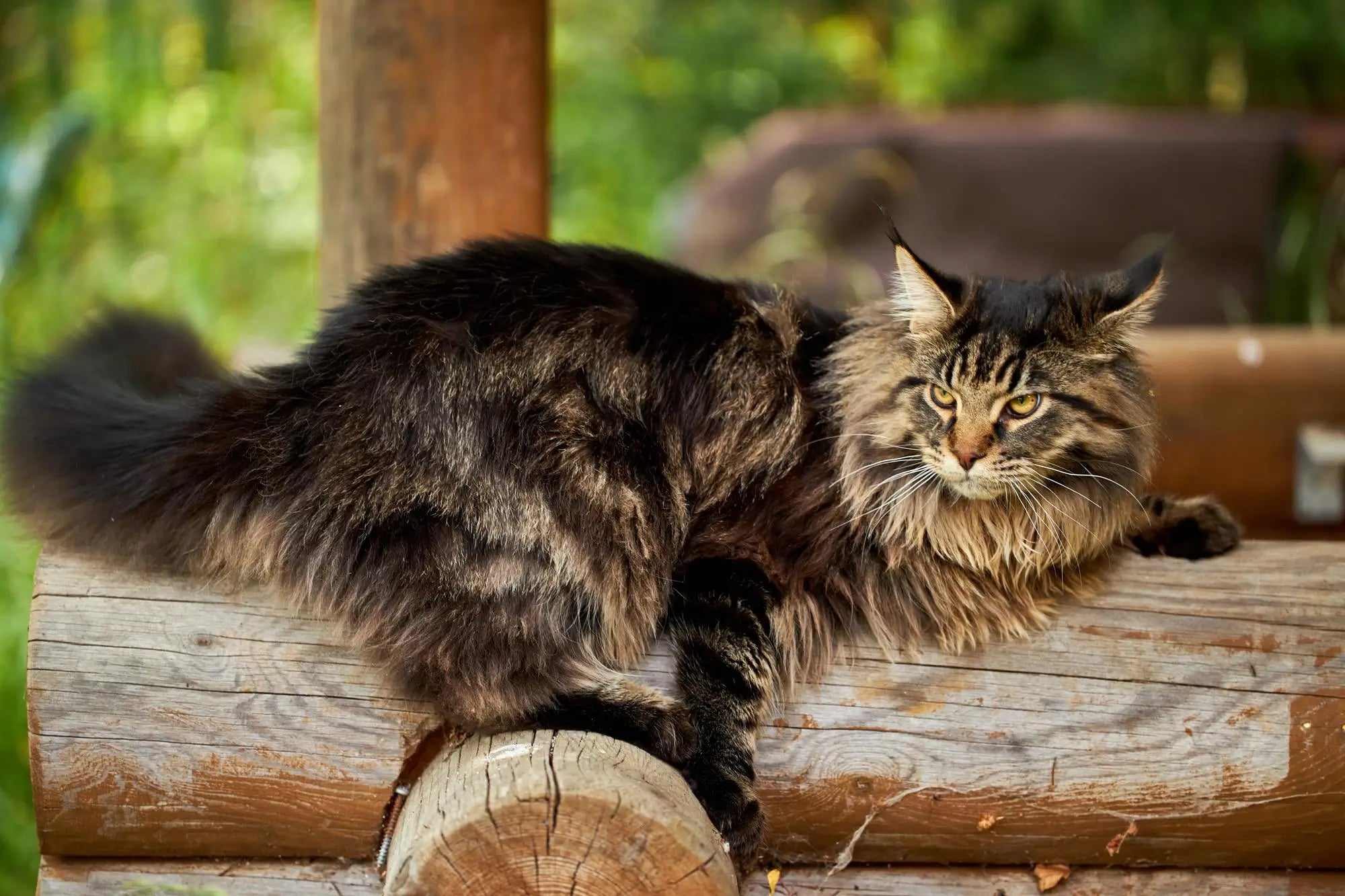
The Maine Coon is one of the largest and most impressive domestic cat breeds in the world. Known as the “gentle giant” of the cat world, this long‑haired, tuft‑eared beauty combines a striking appearance with a surprisingly affectionate, easygoing nature.
This guide covers:
- Typical Maine Coon temperament and behaviour
- Grooming and everyday care
- Common health issues in Maine Coons
- How to choose the right cat bed for such a large cat
- Why extra‑spacious cat litter boxes are essential
- FAQs for current and future Maine Coon owners
Maine Coon Temperament & Personality
Despite their size, Maine Coons are usually gentle, friendly and relaxed.
Typical traits:
- Affectionate but not clingy – often follow you around but aren’t always lap cats
- Generally good with children and other pets when properly introduced
- Playful and kitten‑like well into adulthood
- Often described as “dog‑like” – some enjoy playing fetch or coming when called
Maine Coons are ideal for families or individuals who want an interactive, social cat that can cope with everyday household life and activity.
Indoor Lifestyle & Environment
Maine Coons can live happily indoors or with safe outdoor access (catio, enclosed garden). Because of their size and energy:
- They need sturdy cat trees and shelves that can handle their weight
- They benefit from multiple rest areas, including large, supportive cat beds
- They enjoy interactive play – wand toys, balls and puzzle toys are excellent choices
A well‑placed, extra‑roomy cat bed in quiet but accessible areas helps your Maine Coon wind down after play and observation.
Explore suitable beds and houses:
👉 Skylos Cat Bed & House Collection
Grooming & Coat Care
Maine Coons have a semi‑long, water‑resistant coat with a ruff, breeches and a full, bushy tail.
Grooming Routine
-
Brushing:
- 2–4 times per week to prevent tangles and mats
- Pay extra attention to armpits, belly, back legs and behind the ears
-
Bathing:
- Occasionally, if coat becomes greasy or dirty – many Maine Coons tolerate water better than other breeds
-
Nails, ears and teeth:
- Regular nail trims – their large size makes long nails uncomfortable
- Ear checks for wax or redness
- Dental care to prevent tartar build‑up
A clean, soft cat bed keeps their coat cleaner between grooming sessions and reduces contact with cold or abrasive surfaces.
Litter Habits & Cat Litter Boxes for a Giant Cat
A standard litter tray is often too small for a Maine Coon. For comfort and hygiene, they need large, sturdy cat litter boxes.
Key considerations:
-
Size:
- The box should be long and wide enough for your Maine Coon to turn and dig without hanging over the sides.
-
Strength:
- Heavy cats need robust boxes that won’t flex, crack or tip.
- Stainless steel litter boxes are ideal – strong, odour‑resistant and easy to clean.
-
Type:
- High‑sided or enclosed models help control scatter.
- Enclosed designs should be large enough not to feel cramped.
-
Number of boxes:
- One per cat, plus one extra in multi‑cat households.
Explore extra‑roomy, hygienic options:
👉 Skylos Cat Litter Boxes & Litters
Daily scooping and regular washing are essential to keep a big cat comfortable using the tray.
Maine Coon Health: What to Watch For
Maine Coons can be healthy, robust cats, but there are some well‑known breed‑related health concerns.
1. Hypertrophic Cardiomyopathy (HCM)
- A heart disease common in Maine Coons and some other breeds
- Responsible breeders screen breeding cats for HCM genes
- Regular vet checks (including heart auscultation, and echocardiograms where advised) are important
2. Hip Dysplasia
- Unusual but recognised in larger cat breeds like the Maine Coon
- Can cause pain, stiffness or reduced mobility
- A well‑padded, supportive cat bed helps cushion joints
3. Spinal and Joint Issues
- Their size puts more strain on joints and spine as they age
- Maintaining a healthy weight and providing non‑slip, padded resting spots can help
4. Obesity
- Large frame can disguise extra weight
- Excess weight increases stress on joints and heart
Preventive care:
- Portion‑controlled feeding
- Regular play and activity
- Routine vet check‑ups
Choosing the Best Cat Bed for a Maine Coon
A Maine Coon needs a bigger, stronger cat bed than the average cat.
Look for:
-
Oversized dimensions
- Enough room for full stretch, side‑sleeping and lounging
- Many Maine Coons like to sprawl rather than curl tightly
-
Thick, supportive padding
- Cushions their heavier body, protecting joints and bones
-
Durability
- Strong stitching and quality materials to handle weight and kneading
-
Semi‑enclosed or bolstered options
- Many Maine Coons enjoy leaning against raised sides or walls when relaxing
-
Washable covers
- Large cats shed a lot; removable, machine‑washable covers make life much easier
Browse Maine Coon‑suitable beds and houses here:
👉 Skylos Cat Bed & House Collection
Maine Coon Personality in Everyday Life
In a typical UK home, a Maine Coon will:
- Act as a friendly, social presence, often following you from room to room
- Enjoy perching high to watch everything – think top of cat trees or shelves
- Appreciate regular play, especially chase and pounce games
- Often be happy to interact with visitors, children and other pets
Providing:
- Strong cat trees
- Large, comfy cat beds
- Oversized, sturdy cat litter boxes
…creates an environment that matches their size and gentle, playful nature.
Maine Coon FAQs
1. Are Maine Coons good family cats?
Yes, Maine Coons are often excellent family cats:
- Typically friendly and tolerant
- Usually good with respectful children and other pets
- Enjoy being in the middle of family life
Supervision is still important with very young children due to the cat’s size and strength.
2. Do Maine Coons need a lot of grooming?
They do need regular grooming, but their coat is often less prone to matting than some longhaired breeds.
- Brush 2–4 times a week
- Watch for tangles in high‑friction areas (armpits, belly, hindquarters)
A clean, soft cat bed helps keep their fur smoother and less tangled.
3. Are Maine Coons indoor or outdoor cats?
Both are possible, but many owners choose:
- Indoor or indoor + secure outdoor access (e.g. catio) for safety
- If allowed outdoors freely, they still need indoor comforts, especially large beds and sturdy cat litter boxes if they use trays.
Their friendly nature and value as a pedigree breed mean some people prefer to keep them protected indoors.
4. How big do Maine Coons get?
- Males often reach 6–8+ kg, sometimes more
- Females are usually smaller but still larger than average domestic cats
Their size is why oversized beds and litter boxes are essential.
5. What kind of litter box is best for a Maine Coon?
For comfort and cleanliness:
- Choose extra‑large cat litter boxes
- Strong materials such as stainless steel for durability and odour control
- High sides or covered designs to contain litter kicked by strong paws
Regular scooping and washing are non‑negotiable for such a big litter user.
With their impressive size, gentle nature and playful personality, Maine Coons make unforgettable companions. Provide enough space, grooming, a suitably large cat bed and strong, spacious cat litter boxes, and your gentle giant will thrive in your UK home.


