
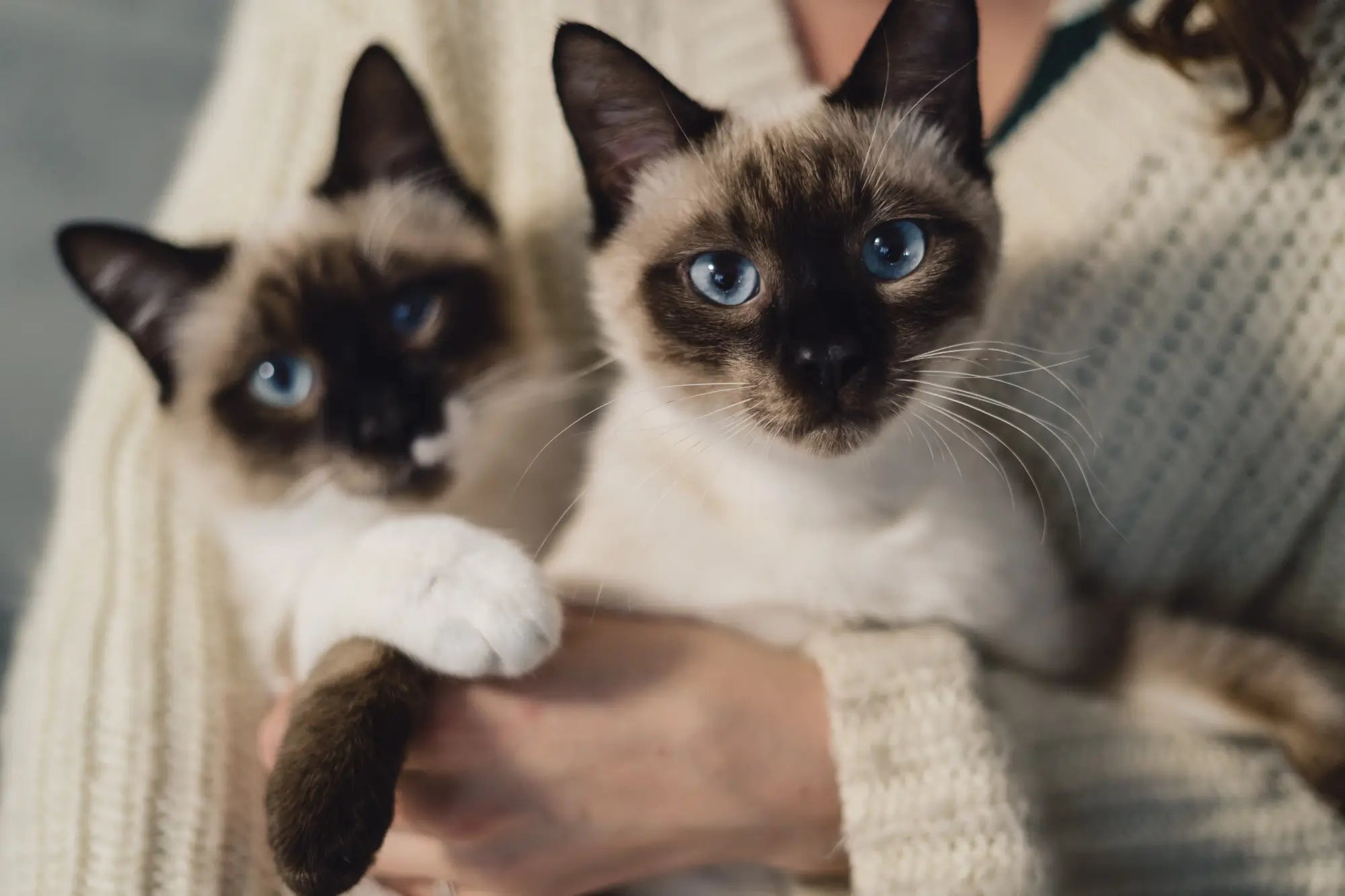
The Siamese is one of the most recognisable and talkative cat breeds in the world. With striking blue eyes, sleek colour‑point coats and a famously vocal personality, Siamese cats are ideal for owners who want a highly interactive, people‑focused companion.
This guide covers:
- Typical Siamese temperament and behaviour
- Grooming and everyday care
- Common health concerns
- How to choose the right cat bed for a Siamese
- Why good cat litter boxes and placement matter
- FAQs for current and future Siamese owners
Siamese Temperament & Personality
Siamese cats are best known for being social, intelligent and very vocal.
Typical traits:
- Extremely people‑oriented – often bond closely with one or two favourite humans
- Love to “talk” – expect daily conversations in their distinctive voice
- Curious, active and playful
- Often enjoy being involved in everything you do – from working at a desk to watching TV
They are ideal for owners who are home often and enjoy a cat that behaves more like a companion and shadow, rather than a quiet background presence.
Indoor Lifestyle & Environment
Most Siamese cats are kept indoors or with supervised outdoor access, due to:
- High curiosity and risk‑taking behaviour
- Strong attachment to people – they may follow you outside
- Road and neighbourhood dangers
To keep an indoor Siamese happy:
- Provide vertical space (cat trees, shelves, window perches)
- Offer daily interactive play and environmental enrichment
- Create safe, cosy resting spots with a comfortable cat bed in calm areas
A dedicated cat bed or cat house gives your Siamese a place to retreat and recharge between active, social moments.
Explore options here:
👉 Skylos Cat Bed & House Collection
Grooming & Coat Care
Siamese cats have a short, fine coat that is low‑maintenance compared to many other breeds.
Grooming Routine
-
Brushing:
- Once a week is usually enough to remove loose hairs and distribute skin oils
-
Bathing:
- Rarely needed; most Siamese keep themselves very clean
-
Nails, ears and teeth:
- Regular nail trims
- Ear checks for wax or redness
- Dental care – regular brushing or vet‑recommended dental products
Because they have little coat insulation, many Siamese appreciate warm, padded cat beds, especially in cooler UK homes.
Litter Habits & Cat Litter Boxes
Siamese cats are typically fastidious about their litter habits – but only if their cat litter boxes are kept clean and well‑placed.
Key considerations:
-
Cleanliness:
- Siamese are often unforgiving about dirty litter trays.
- Scoop at least once daily and wash regularly.
-
Size and type:
- Medium‑sized to large boxes give enough room to turn and dig.
- Some Siamese prefer open litter boxes for visibility; others adapt well to enclosed, odour‑controlling designs.
-
Material:
- Stainless steel cat litter boxes are excellent for hygiene and odour control, and resist scratching and staining.
-
Location:
- Quiet, low‑traffic areas – not next to washing machines or loud appliances.
Explore hygienic, cat‑friendly options:
👉 Skylos Cat Litter Boxes & Litters
Siamese Health: What to Watch For
With good care and responsible breeding, Siamese cats can live long lives, but they are known to be predisposed to some specific health issues.
1. Dental Disease
- Siamese may be prone to periodontal disease.
- Regular tooth brushing and vet dental checks are important.
2. Respiratory and ENT Issues
- Some Siamese (especially more “extreme” head shapes) may have narrow nasal passages or other respiratory quirks.
- Always monitor for chronic sneezing, discharge or breathing difficulty.
3. Gastrointestinal Sensitivities
- Some Siamese have sensitive stomachs or food intolerances.
- A consistent, high‑quality diet and gradual food changes help.
4. Certain Cancers and Systemic Conditions
- Siamese are statistically associated with some specific cancers and systemic diseases; regular vet checks and early detection are key.
5. Stress and Behaviour‑Related Issues
- Highly social and intelligent, Siamese can develop stress‑related behaviours (over‑grooming, vocalising, attention‑seeking) if bored or lonely.
- A supportive routine, engagement, and safe retreat spaces (like a personal cat bed) help reduce stress.
Choosing the Best Cat Bed for a Siamese
Because Siamese cats are active yet sensitive to cold and comfort, a suitable cat bed is essential.
Look for:
-
Warm, padded design
- Short coats mean they appreciate soft, cosy surfaces.
-
Secure but accessible shape
- Many enjoy semi‑enclosed beds or cat houses that offer a sense of privacy without fully cutting them off from the room.
-
Size
- Enough room to stretch out, but still feel “held” – most Siamese are medium‑sized cats.
-
Easy‑clean covers
- Removable, washable covers make it easy to keep their favourite spot fresh.
Browse Siamese‑friendly beds here:
👉 Skylos Cat Bed & House Collection
Placing the bed near where you spend time (e.g. living room, office) allows your Siamese to relax close to you, which they typically prefer.
Siamese Personality in Everyday Life
In a typical UK home, a Siamese will:
- Follow you from room to room
- Vocalise to get attention, food, or just “chat”
- Demand interactive play more than many other breeds
- Often prefer company to solitude – they do best in homes with present, engaged humans or another friendly pet for companionship
Balancing:
- Mental stimulation (play, training, puzzle toys)
- Physical comfort (warm cat bed, safe environment)
- Clean, well‑placed cat litter boxes
…is the key to a well‑adjusted Siamese.
Siamese FAQs
1. Are Siamese cats good family pets?
They can be excellent family pets if:
- You appreciate a vocal, interactive cat
- Children are taught to handle cats gently
- The household enjoys engagement and play
They’re less suited to very quiet homes where people dislike noise or constant interaction.
2. Are Siamese indoor cats?
Most Siamese are kept indoors or with controlled outdoor access because:
- They are highly curious and may get into trouble outside.
- Their social nature and value make theft or accidents a concern.
An indoor Siamese needs climbing options, toys, and a comfortable cat bed to stay content.
3. Do Siamese cats need a lot of attention?
Yes. Siamese cats:
- Thrive on human interaction
- Can become bored or stressed if left alone too long
- Often do well with a companion cat if homes are out part of the day
They are ideal for people who want to actively share time and space with their cat.
4. Are Siamese loud?
They are famously vocal. Some are chattier than others, but expect:
- Meows, trills and “conversations”
- Vocal requests for food, play or attention
If you prefer a very quiet cat, the Siamese may not be the best match.
5. What kind of litter box is best for a Siamese?
Most Siamese do well with:
- Medium or large cat litter boxes that allow full turning and digging
- Hygienic materials like stainless steel, which make smells and cleaning easier
- Either open or enclosed, depending on individual preference – some like to see their surroundings
The key is cleanliness and location: a dirty, poorly placed box is a common cause of litter problems in this sensitive, intelligent breed.
With their striking looks, lively minds and affectionate personalities, Siamese cats make unforgettable companions. Provide mental stimulation, daily interaction, a warm, dedicated cat bed and clean, well‑designed cat litter boxes, and your Siamese will thrive in your UK home.


