
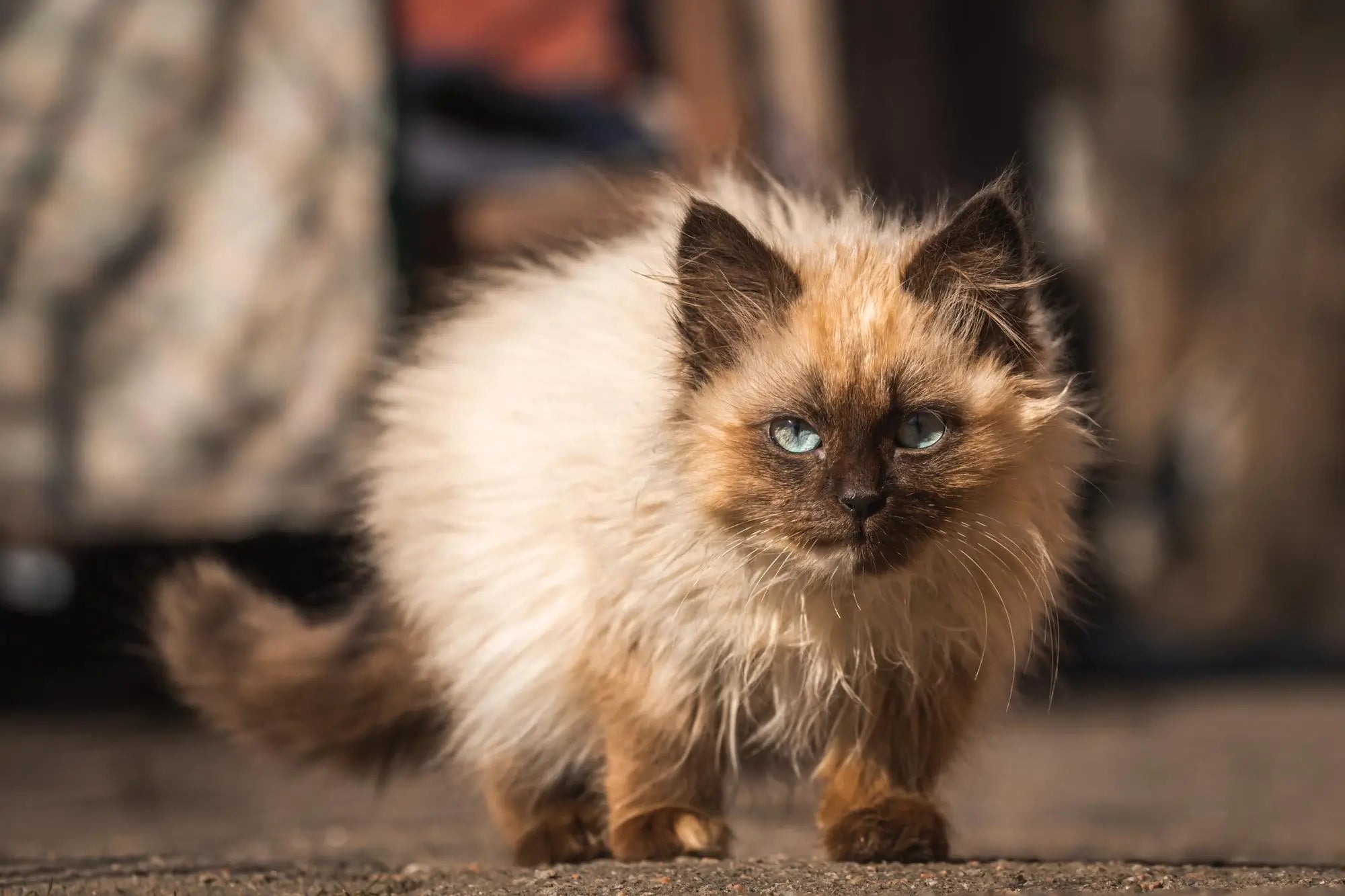
The Birman – often called the “Sacred Cat of Burma” – is a semi‑longhaired breed known for its striking blue eyes, colour‑point coat and pure white “gloves” on the paws. Gentle, affectionate and people‑focused, Birmans are a great choice for UK homes that want a calm but sociable companion.
This guide covers:
- Typical Birman temperament and behaviour
- Grooming and everyday care
- Common health concerns
- How to choose the right cat bed for a Birman
- Why suitable cat litter boxes matter
- FAQs for current and future Birman owners
Birman Temperament & Personality
Birmans are often described as gentle, affectionate and quietly social.
Typical traits:
- Enjoy being near their humans, but usually less demanding than very vocal breeds
- Generally good with children and other pets when introduced properly
- Friendly and curious without being hyperactive
- Often follow you from room to room and like to be involved, but not in an overwhelming way
If you want a loving, people‑oriented cat that fits well into calm family life, the Birman is a strong candidate.
Indoor Lifestyle & Environment
Most Birmans are kept as indoor cats or with secure outdoor access (catios, enclosed gardens) because of:
- Their trusting, gentle nature
- The maintenance needs of their semi‑long coat
- Safety concerns near busy roads
To create a Birman‑friendly home:
- Provide vertical spaces (cat trees, shelves, window perches) for safe climbing and observation
- Offer interactive play daily – wand toys, balls and mild chase games
- Set up quiet, cosy resting spots with a comfortable cat bed away from draughts and noise
A dedicated bed or cat house lets your Birman relax and feel secure between social moments.
Explore suitable options:
👉 Skylos Cat Bed & House Collection
Grooming & Coat Care
Birmans have a silky, semi‑long coat that is often easier to manage than many longhaired breeds because they lack a very dense undercoat. However, they still require regular grooming.
Grooming Routine
-
Brushing:
- 2–3 times per week is usually enough
- Focus on areas prone to tangles: behind the ears, armpits, belly and back legs
-
Bathing:
- Occasionally, if the coat becomes greasy or dirty, but not usually as a routine necessity
-
Nails, ears and teeth:
- Regular nail trims
- Ear checks and gentle cleaning when needed
- Dental care with brushing or vet‑recommended products
A clean, soft cat bed helps keep the coat smooth and reduces tangles from sleeping in dusty or rough areas.
Litter Habits & Cat Litter Boxes
Birmans are typically clean and reliable when it comes to litter habits, provided their cat litter boxes are appropriate and well maintained.
Key considerations:
-
Box size:
- Medium to large boxes give enough room for turning and digging.
-
Type:
- Many owners like enclosed or high‑sided litter boxes to reduce scatter and odour.
- Stainless steel litter boxes are excellent for hygiene and longevity.
-
Number of boxes:
- One per cat, plus one extra in multi‑cat homes.
-
Location:
- Quiet, easy‑to‑reach spots away from food and water.
Explore hygienic options that suit a Birman’s preferences:
👉 Skylos Cat Litter Boxes & Litters
Daily scooping and regular washing help prevent accidents and keep your Birman comfortable using the tray.
Birman Health: What to Watch For
With good breeding and care, Birmans can be healthy and long‑lived, but there are a few health points to be aware of.
1. Hypertrophic Cardiomyopathy (HCM)
- Heart disease seen in several purebred cats, including Birmans
- Responsible breeders screen breeding cats where tests are available
- Regular vet checks (especially for adults and seniors) are important
2. Kidney and Urinary Issues
- Some Birmans may be predisposed to kidney or urinary problems
- Always provide fresh water, and monitor for changes in drinking or urination
3. Joint and Mobility Concerns
- As Birmans age, they may develop arthritis or general stiffness
- A padded, supportive cat bed can make resting and sleeping more comfortable
4. Obesity
- Indoor Birmans can gain weight if over‑fed and under‑exercised
- Use measured feeding and daily play to maintain a healthy weight
Routine vet visits, balanced nutrition and appropriate exercise help manage these risks.
Choosing the Best Cat Bed for a Birman
Birmans are medium‑sized, semi‑longhaired cats that enjoy comfort and closeness. A suitable cat bed should provide:
-
Soft, cosy padding
- Gentle on joints and inviting for long naps
-
Warm, secure design
- Many Birmans like semi‑enclosed beds or cat houses where they feel snug but can still see out
-
Adequate size
- Enough room to curl up or stretch gently without feeling cramped
-
Washable covers
- Semi‑long hair can shed and pick up dust; removable, machine‑washable covers make maintenance easier
Browse Birman‑friendly options here:
👉 Skylos Cat Bed & House Collection
Placing the bed near family activity but not directly in the busiest walkway helps your Birman feel included yet safe.
Birman Personality in Everyday Life
In a typical UK home, a Birman will:
- Seek out human company and often stay close by
- Enjoy gentle play rather than intense, high‑octane activity
- Adapt well to apartment or house living as an indoor companion
- Appreciate routine and a calm environment
A balance of:
- Daily interactive play
- Access to quiet, comfortable cat beds
- Clean, well‑maintained cat litter boxes
…is key to a happy Birman.
Birman FAQs
1. Are Birmans good family cats?
Yes, Birmans are often excellent family cats:
- Generally gentle, patient and affectionate
- Usually adapt well to respectful children and calm dogs
- Thrive in homes where they receive regular attention without chaos
Supervision with young children and teaching gentle handling are still important.
2. Do Birmans need a lot of grooming?
They need moderate grooming:
- Brush 2–3 times a week
- Pay attention to common mat areas (armpits, belly, back legs)
- Routine nail, ear and dental care
A clean, soft cat bed helps keep their coat smoother and reduces tangling.
3. Are Birmans indoor cats?
Most Birmans do very well as indoor cats:
- Their calm nature and people focus make them well suited to indoor life
- Secure outdoor access (catio, enclosed garden) is a bonus but not essential
Indoors, they still need environmental enrichment and comfortable places to rest and observe.
4. Are Birmans vocal?
Birmans can be talkative, but generally have softer voices than very vocal breeds like Siamese:
- They often “chat” gently for attention or food
- Not usually excessively loud
Their communication style fits well in most UK households.
5. What kind of litter box is best for a Birman?
Most Birmans do well with:
- Medium to large cat litter boxes
- Clean, odour‑controlled environments – stainless steel boxes are ideal for hygiene
- Open or enclosed styles, depending on individual preference
The most important factors are cleanliness, proper size and a quiet location.
With their striking looks and soft, sweet nature, Birmans make wonderful indoor companions. Provide regular grooming, gentle play, a comfortable cat bed and clean, well‑designed cat litter boxes, and your Birman will settle happily into your UK home.


