
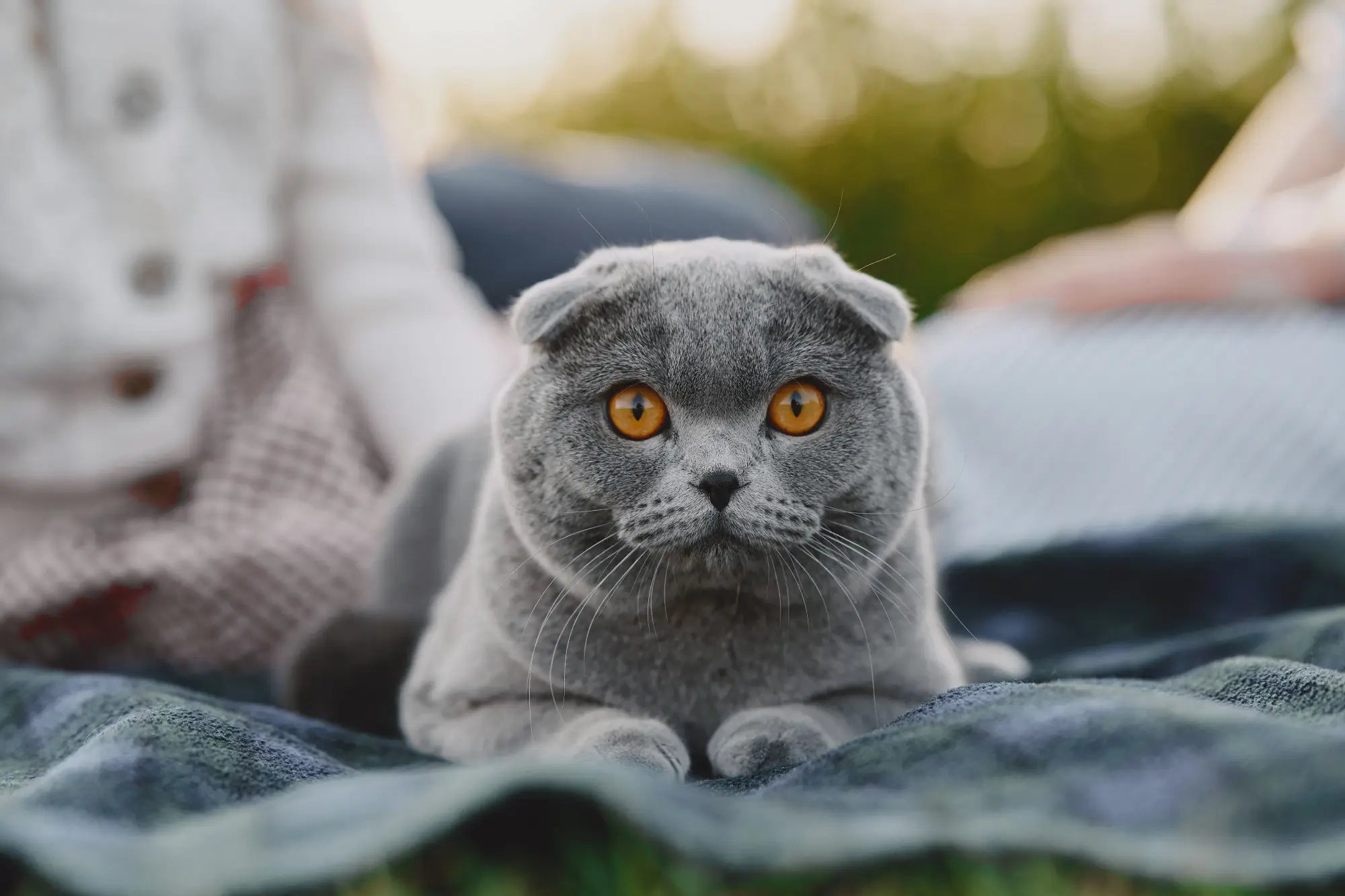
The Scottish Fold is instantly recognisable thanks to its folded ears and round, owl‑like face. Calm, sweet and people‑oriented, this breed has become very popular on social media and in modern homes.
But behind the cute appearance, Scottish Folds come with important health considerations, especially relating to their cartilage and joints. Anyone thinking about living with a Scottish Fold needs to understand both their personality and their potential medical issues.
This guide covers:
- Typical Scottish Fold temperament and behaviour
- Grooming and everyday care
- Serious health concerns you must know about
- How to choose a joint‑friendly cat bed
- Why well‑chosen cat litter boxes matter
- FAQs for current and potential Scottish Fold owners
Scottish Fold Temperament & Personality
Scottish Folds are generally gentle, calm and affectionate cats.
Typical traits:
- Enjoy being near their humans – often follow you from room to room
- Usually quiet and soft‑voiced, not overly vocal
- Often adapt well to apartment and indoor living
- Many like sitting or lying in funny positions (on their backs, or “Buddha sitting”)
They fit well in households that want a relaxed, companionable cat rather than a high‑energy, demanding breed.
Indoor Lifestyle & Environment
Because of their health vulnerabilities (especially joint issues), Scottish Folds are usually kept as indoor cats or with very carefully managed, safe outdoor access.
To create a Fold‑friendly home:
- Provide soft landing spots and avoid high jumps where possible
- Offer gentle play and mental stimulation rather than extreme climbing
- Set up cosy, accessible resting places with padded cat beds in warm, quiet corners
Explore suitable beds and houses:
👉 Skylos Cat Bed & House Collection
Grooming & Coat Care
Scottish Folds can be short‑haired or long‑haired (sometimes called Highland Fold). Grooming needs depend on coat length.
Short‑Haired Scottish Fold
-
Brushing:
- Once or twice a week is usually enough
-
Bathing:
- Rarely required unless dirty
Long‑Haired Scottish Fold
-
Brushing:
- 2–3 times per week to prevent knots and mats
-
Bathing:
- Occasionally, if coat becomes greasy or tangled
All Folds need:
- Regular nail trims
- Routine ear checks and gentle cleaning – the folded ear shape can trap wax and debris
- Dental care with brushing or vet‑recommended products
A warm, padded cat bed helps keep joints comfortable and the coat cleaner between grooming sessions.
Litter Habits & Cat Litter Boxes
Like most cats, Scottish Folds usually have good litter habits if their cat litter boxes are appropriate and kept clean.
Because of their potential joint issues:
- Boxes should be easy to step into – avoid very high entry points
- Size should be roomy enough for comfortable turning and squatting
Key points:
-
Type:
- Many owners use low‑entry high‑sided or enclosed boxes for comfort + scatter control.
- Stainless steel litter boxes are ideal for hygiene and odour control.
-
Placement:
- Quiet, easily accessible areas (avoid steep stairs or awkward access).
-
Maintenance:
- Scoop at least daily and wash boxes regularly.
Explore practical, hygienic options:
👉 Skylos Cat Litter Boxes & Litters
Scottish Fold Health: The Critical Issues
The most important thing to understand about Scottish Folds is that the gene that causes the ear fold also affects cartilage throughout the body, not just in the ears.
1. Osteochondrodysplasia (OCD)
- A genetic cartilage and bone disorder that can cause:
- Joint pain and stiffness
- Abnormal bone growth
- Difficulty walking or jumping
- It can affect:
- Tail (short, stiff, or painful)
- Legs (thickened joints, lameness)
- Spine and other joints
This condition is inherent to the breed – even Folds that look “mild” may have internal changes.
Supportive home care includes:
- Keeping the cat light and fit (excess weight worsens joint stress)
- Avoiding excessive jumping or high climbing
- Providing soft, supportive cat beds and low‑entry litter boxes
2. Arthritis and Chronic Pain
Due to cartilage problems, many Folds develop early‑onset arthritis and long‑term discomfort.
Watch for:
- Hesitation to jump
- Short, stiff strides
- Reluctance to be touched in certain areas
- Behaviour changes (hiding, irritability, reduced play)
Veterinary management may include pain relief, joint supplements and lifestyle adjustments.
3. Other Potential Issues
As with many purebred cats, Scottish Folds can also be affected by:
- Hypertrophic Cardiomyopathy (HCM) – heart disease in some lines
- Ear infections – due to folded ear shape trapping debris
Regular vet checks, including orthopaedic and cardiac assessments, are especially important for this breed.
Choosing the Best Cat Bed for a Scottish Fold
Because of the strong link between Scottish Folds and joint/cartilage disorders, a well‑chosen cat bed is more than just a comfort item – it’s part of supportive care.
Key features:
-
Soft, supportive padding
- Helps cushion sore joints, hips, spine and tail
-
Low, easy access
- Avoid beds with very high sides that require climbing or leaping
-
Stable base
- Non‑slip, so the bed doesn’t move when the cat steps in or out
-
Warm and secure
- Many Folds love calm, cosy spaces where they can curl up without drafts
-
Washable covers
- Keep the bed clean and hygienic with minimal effort
Browse joint‑friendly beds and houses here:
👉 Skylos Cat Bed & House Collection
Placing a bed in key areas (living room, bedroom, quiet corners) reduces the need for your Fold to jump onto high furniture for comfort.
Scottish Fold Personality in Everyday Life
In most homes, a Scottish Fold will:
- Be calm, observant and gently affectionate
- Spend plenty of time lounging or napping in favourite spots
- Enjoy moderate play, but often not as intense as high‑energy breeds
- Like being near their humans, but usually not overly demanding
Because of possible joint discomfort, their activity level might be lower than other breeds, which is why soft resting places and joint‑friendly environments matter so much.
Scottish Fold FAQs
1. Are Scottish Folds good family pets?
They can be, in the right circumstances:
- Generally gentle and tolerant
- Often enjoy calm family life and quiet routines
However, due to their health risks, especially joint pain, they may not be the best choice for homes with very young children who might handle them roughly.
2. Are Scottish Folds healthy cats?
This is where caution is needed:
- The ear fold gene is directly linked to cartilage problems.
- Many Folds develop joint disease and chronic pain to some degree.
Anyone considering this breed should talk to an experienced vet and understand the ethical issues and lifelong care needs.
3. How much grooming does a Scottish Fold need?
It depends on coat length:
-
Short‑haired Folds:
- Low‑maintenance; weekly brushing is usually enough.
-
Long‑haired/Highland Folds:
- 2–3 brushings per week to prevent mats.
All should have regular nail trims, ear checks and dental care. A clean cat bed helps keep their coat in better condition.
4. What kind of litter box is best for a Scottish Fold?
Because joint comfort is a concern:
- Choose low‑entry cat litter boxes that are easy to step into.
- Make sure the box is large enough so they don’t have to twist uncomfortably.
- Consider stainless steel for superior hygiene and odour control.
Place boxes on the same level the cat spends most of their time on, to minimise stair use.
5. What kind of cat bed is best for a Scottish Fold?
The ideal cat bed for a Scottish Fold is:
- Soft and well‑padded
- Low‑sided or with an easy entrance
- Stable and large enough to allow gentle stretching
- Washable and placed where the cat can access it without jumping
Skylos offers multiple designs that balance comfort, support and easy access.
Scottish Folds are undeniably charming, but they are also a high‑responsibility breed due to their built‑in cartilage and joint issues. If you already share your life with a Fold, the best you can do is:
- Work closely with your vet
- Keep them slim and comfortable
- Provide joint‑friendly cat beds and easy‑access cat litter boxes
- Watch closely for any signs of pain or mobility changes
With thoughtful management and a supportive home environment, many Scottish Folds can enjoy a better quality of life.


