
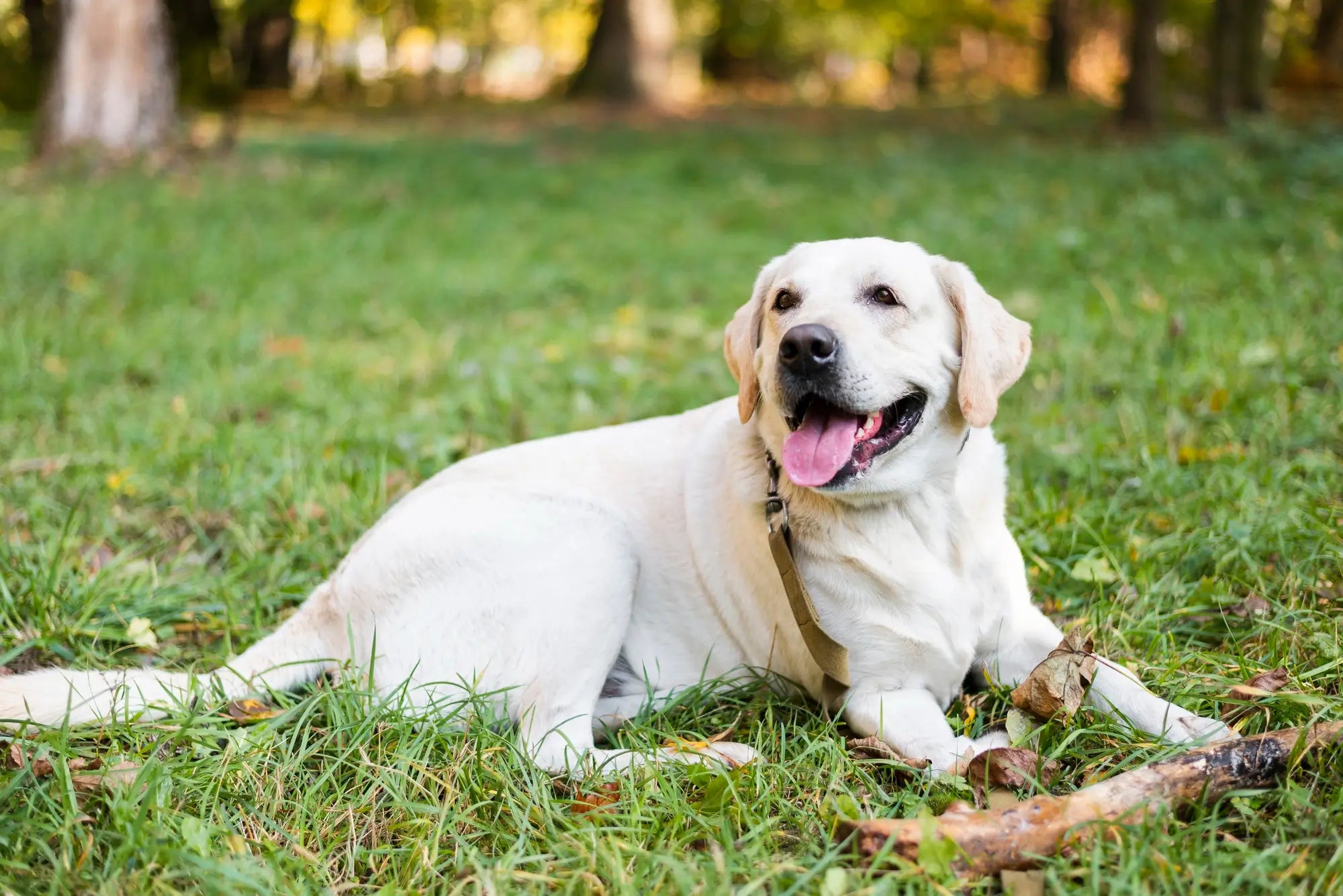
Labradors and German Shepherds are two of the most popular dog breeds in the UK – and also two of the hardest to buy beds for. They grow fast, carry a lot of weight and tend to sprawl across half the living room when they sleep. A standard “large” bed often isn’t enough. To keep them truly comfortable, you usually need a proper XL dog bed designed specifically for big breeds.
In this guide, we’ll walk through how to choose the right XL dog bed for your Labrador or German Shepherd, what features to prioritise, and which mistakes to avoid. We’ll also show how different designs in the Pet Skylos large dog beds for big breeds collection can match your dog’s build and sleeping style.
Why Labradors and German Shepherds Need XL Dog Beds
Both Labradors and German Shepherds share a few key traits:
- Medium‑to‑large frames that easily reach 30–40kg+
- Strong, athletic builds with powerful joints and muscles
- A tendency to sleep stretched out when relaxed
- High energy levels when young, which means more impact on beds
If you put a Lab or GSD on a bed that’s too small or poorly made, you’ll often see:
- Hips and elbows hanging off the sides
- The middle of the bed sagging within weeks
- Restless sleep as they constantly adjust position
- Preference for hard floors or your sofa instead
A true XL dog bed for these breeds must offer:
- Extra length and width
- Strong, supportive cores
- Durable covers that can cope with heavy use
- Non‑slip bases that stay put on UK flooring
Step 1: Measure Your Dog for an XL Dog Bed
Before you look at styles, get accurate measurements. This is the most important step and the one most owners skip.
-
Wait for your dog to lie down
Ideally in their natural sleeping position – side, back or curled. -
Measure nose to base of tail
Use a tape measure along their spine. -
Add 20–30 cm
This gives enough room to stretch or reposition comfortably.
For most adult Labradors and German Shepherds, this measurement typically pushes them into “XL” territory. If your dog is particularly long or tall, you may even want to consider XXL sizing.
The Pet Skylos large dog bed range for big breeds is built with this extra length and width in mind, with options specifically suited to Labs and GSDs.
Step 2: Match the Bed Type to Your Dog’s Sleeping Style
Not all big dogs sleep the same way. Choosing the right large dog bed means matching style to behaviour.
A. Side and Back Sleepers (The Full Sprawlers)
Typical of:
- Relaxed Labradors
- Confident German Shepherds in safe environments
These dogs:
- Lie on their sides with legs stretched out
- Roll onto their backs with paws in the air
- Take up maximum floor space
Best options:
- XL dog mattresses – flat, rectangular beds with plenty of room
- Oversized cushion beds – thick, supportive pads without restrictive sides
Advantages:
- No walls to collide with
- Easy to change position
- Good for crates, car boots and open floor areas
B. Curl‑Up Sleepers (The Compact Resters)
Typical of:
- Slightly anxious dogs
- GSDs that like corners and walls
- Labs that like to tuck themselves in
These dogs:
- Curl tightly into balls
- Often sleep against walls or furniture
- Use their own tail as a blanket
Best options:
- Bolster beds – with raised sides to lean against
- Donut‑style XL dog beds – if truly large in diameter
Advantages:
- Extra sense of security
- Built‑in head rests
- Great for chilly corners of UK homes
C. “Guarding” Sleepers (Alert but Resting)
Many German Shepherds, in particular, like to:
- Sleep with head elevated, watching the room
- Stay near entry points or windows
- Prefer slightly firmer surfaces for quick movement
Best options:
- Sofa‑style or bolster XL beds with firm sides
- Orthopaedic mattresses near doors or hallways
These give them:
- Height for head support
- Enough firmness for fast, comfortable movement
- A defined territory to “guard” without using your sofa
Step 3: Prioritise Proper Support (Especially for Joints)
Labradors and German Shepherds are both prone to joint issues:
- Hip and elbow dysplasia
- Arthritis as they age
- Strain from jumping and high‑impact activity
An XL dog bed for these breeds needs more than just size – it needs true support.
What to Look For in an XL Supportive Bed
-
High‑density foam or orthopaedic foam
- Doesn’t compress to the floor under heavy weight
- Springs back after your dog gets up
-
Uniform thickness across the bed
- No very thin sections that become pressure points
-
Firm but comfortable feel
- Not rock‑hard, but not a sinking pillow either
Orthopaedic XL dog beds are particularly valuable for:
- Adult GSDs and Labs over ~5–6 years old
- Any dog with visible joint stiffness
- Very active young dogs that put a lot of impact on their bodies
In the Pet Skylos large dog bed collection, several designs use orthopaedic‑style cores to help distribute weight evenly for big breeds.
Step 4: Consider Your Floor Type and Home Layout
UK homes come with all kinds of flooring:
- Laminate and hardwood in living rooms
- Tiles in kitchens and hallways
- Carpets in bedrooms
For big dogs, floor type matters.
On Slippery Floors
Look for:
- Non‑slip bases – to prevent the bed sliding as your dog steps on/off
- Beds with enough weight not to shift easily
For a GSD or Lab, a sliding bed can be scary and increase joint strain.
In Smaller Living Rooms
You might need to:
- Choose a rectangular mattress that fits neatly against a wall
- Avoid overly bulky donut beds that dominate the room
- Place the XL dog bed in a corner to maximise usable space
Near Doors and Radiators
Many Labs and Shepherds love warm spots and vantage points. In UK homes this often means:
- Near radiators
- In front of patio doors (not too draughty)
- By the sofa, but with their own bed
A well‑sized XL dog bed gives them a spot that feels “theirs”, while keeping fur and mud off your furniture.
Step 5: Don’t Forget Cleaning and Durability
Labradors and German Shepherds are not small, tidy house ornaments. They are:
- Mud magnets
- Fur factories
- Heavy, often drooly companions
An XL bed that can’t cope with this will quickly become a problem.
Essential Features for Big‑Breed Homes
- Removable, machine‑washable covers
- Water‑resistant or waterproof liners over the foam
- Tough, tear‑resistant outer fabrics
- Strong stitching at seams and corners
A well‑designed large dog bed should survive:
- Frequent washing
- Occasional chewing as youngsters
- Years of circling and digging before sleeping
Pet Skylos designs large dog beds with British weather and big‑breed habits in mind, balancing comfort with easy maintenance.
Extra Tips for Labs and GSDs Specifically
Labradors
- Often run hot – avoid overly thick, heat‑trapping beds
- Love being with the family – place the bed in main living areas
- Can be chewers as youngsters – choose tougher covers early on
German Shepherds
- Like to keep watch – position the bed with a good view of doors/rooms
- Often lean against walls or furniture – bolster beds can be ideal
- Can be wary of unstable surfaces – ensure the bed doesn’t slide
When Should You Upgrade to an XL Dog Bed?
You may need to size up or upgrade if you notice that:
- Your dog’s legs or head consistently hang off the bed
- The middle of the bed is visibly sagging
- Your dog prefers lying on the floor or sofa
- There are visible lumps and flat spots
- Your adult Lab or GSD still uses their “puppy bed”
Big breeds grow fast – it’s common to outgrow the first 1–2 beds purchased in puppyhood. Once your dog is near adult size, investing in a well‑built XL dog bed usually saves money over constant replacements.
FAQs: XL Dog Beds for Labradors and German Shepherds
1. What size XL dog bed do I need for a Labrador?
Most adult Labradors do well on XL beds that are at least:
- 100–110 cm long
- Wide enough for full side sleeping
Always measure your dog lying down and compare with the inner dimensions of the bed, not just the external size. If you’re unsure between two sizes, the larger option is usually safer for Labs.
2. What size XL dog bed is best for a German Shepherd?
German Shepherds are often slightly longer and taller than Labradors. For them:
- Length around 110–120 cm is often ideal
- Extra width helps them turn comfortably
Because GSDs tend to use “guarding” positions, make sure there’s enough room to lie side‑on and to rest with an elevated head.
3. Do Labs and GSDs really need orthopaedic XL dog beds?
Not every young dog needs an orthopaedic bed, but both breeds have a higher risk of hip and elbow problems. An orthopaedic XL dog bed can:
- Support better joint alignment
- Reduce pressure on sensitive areas
- Help older dogs feel more comfortable and mobile
For any Lab or GSD over 6–7 years, or those showing stiffness, an orthopaedic option is strongly recommended.
4. How often should I replace an XL dog bed for a big breed?
This depends on quality and usage, but signs it’s time to replace include:
- Persistent sagging in the middle
- Foam that no longer springs back
- Torn or thinning covers
- Unpleasant odours that don’t wash out
For Labradors and German Shepherds, a well‑made large dog bed should last significantly longer than cheap, generic options – often several years with proper care.
5. Where can I find XL dog beds designed specifically for big breeds in the UK?
Many beds are simply labelled “large” without truly being built for big‑breed needs. At Pet Skylos, our large dog beds for big breeds collection is tailored to dogs like Labradors and German Shepherds, with:
- XL and XXL sizing
- Supportive, high‑density cores
- Durable, washable covers
- Non‑slip bases for UK floors
If you’re ready to upgrade your dog’s rest, explore the full range of XL dog beds for big breeds here:
Shop large dog beds for Labradors and German Shepherds


