
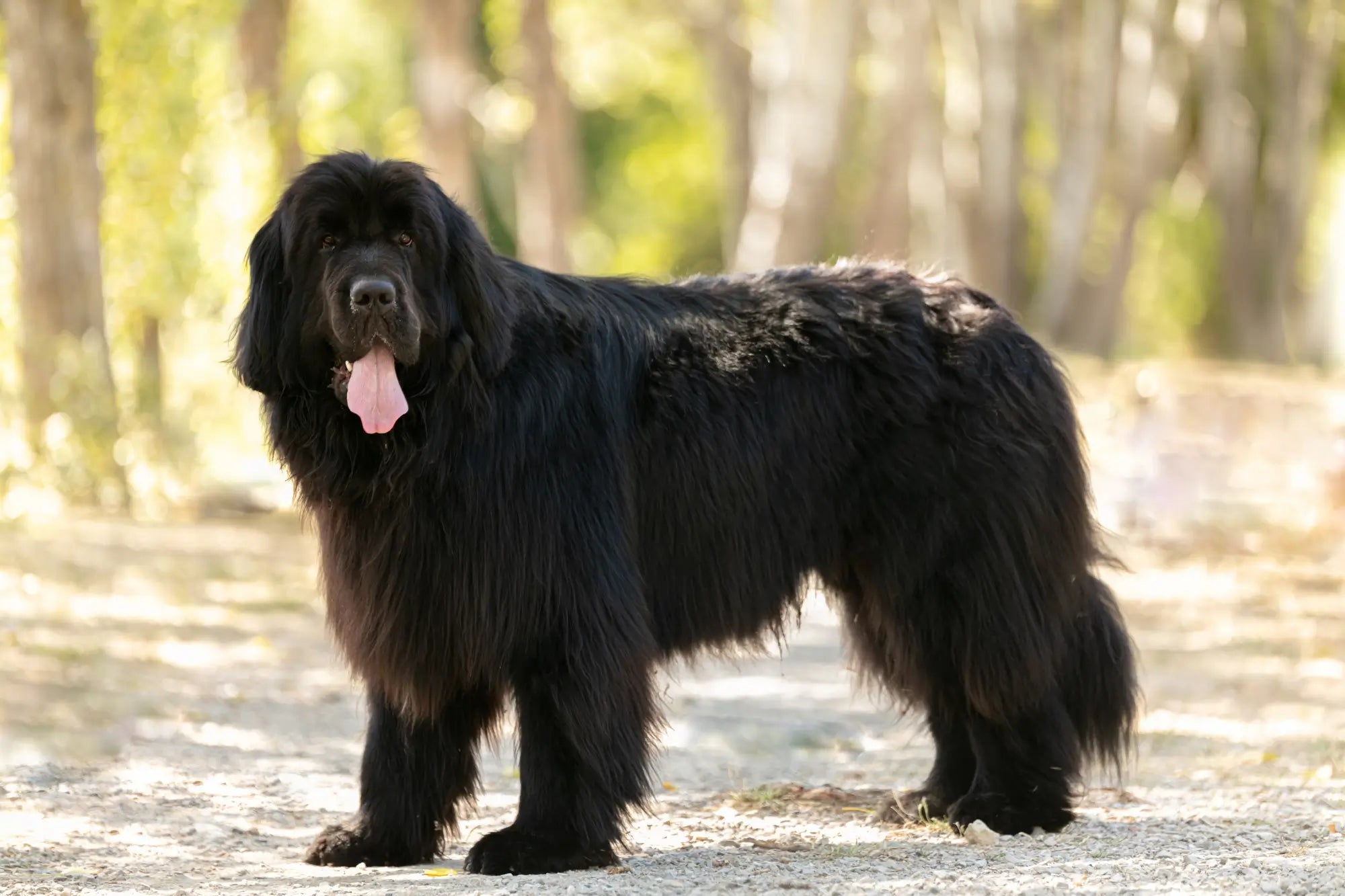
Big dogs are masters of pretending everything is fine. They’ll still wag their tails, follow you around and flop down wherever you are – even if their joints are quietly struggling. One of the easiest ways to improve a large dog’s daily comfort is to give them a more supportive dog bed, but many owners aren’t sure when it’s time to upgrade.
If you live with a Labrador, Golden Retriever, German Shepherd or any other big‑breed dog, this guide will help you spot the key signs that your current bed isn’t doing its job. We’ll also look at what to look for in a truly supportive large dog bed, with examples from the Pet Skylos large dog beds for big breeds collection.
Why Support Matters More for Large Dogs
Large and giant breeds carry significantly more weight on their joints. Every time they lie down, get up or change position, pressure is placed on:
- Hips
- Elbows
- Shoulders
- Spine
On a hard floor or an unsupportive, sagging bed, this pressure is concentrated on small contact points, which can:
- Increase discomfort and stiffness
- Exacerbate arthritis or hip dysplasia
- Lead to restless, poor‑quality sleep
A well‑designed supportive large dog bed helps distribute weight evenly, cushioning these joints while still providing a stable base. The result is better rest and easier movement, especially as your dog gets older.
So how do you know it’s time to upgrade?
1. Your Dog’s Bed Has Visible Sagging or “Crater” Dips
One of the most obvious signs is what the bed looks like when your dog isn’t on it.
Look for:
- A “crater” or noticeable dip where your dog usually lies
- Edges that stand high while the centre is sunken
- A lumpy or uneven feel when you press the surface
If you can see or feel the bed sagging, your dog is probably feeling it too. For a big dog, this often means:
- Hips and shoulders sinking too low
- Spine out of alignment
- Extra effort needed to get comfortable
A large dog bed should spring back reasonably well after your dog moves. If it stays flat and dented, the filling is no longer supporting their weight properly.
2. You Can Feel the Floor Through the Bed
Do this simple test:
- Place your palm flat on the middle of the bed.
- Press down with moderate pressure (similar to the weight of part of your dog’s body).
- If you quickly feel the hard floor underneath, the bed is too thin or compressed.
For big breeds, this is a red flag. It means their own body weight is pushing them onto the floor, especially:
- At hips and elbows
- Around the chest and shoulders
- Under the ribcage
A more supportive large dog bed for big breeds should have:
- A thicker, denser core
- Enough resistance to stop your dog “bottoming out”
- Even cushioning across the entire surface
You can find examples of this kind of structure in the Pet Skylos large dog bed range.
3. Your Dog Is Restless and Changes Position Frequently
Pay attention to how your dog sleeps. Occasional turning is normal, but:
- Constant shifting
- Repeated getting up and resettling
- Heavy sighs and groans before settling
…may indicate they can’t get truly comfortable.
Possible reasons:
- The bed has lumps or thin spots creating pressure points
- The surface is too soft and unstable
- The bed is too small, forcing awkward positions
A supportive dog bed helps your dog relax deeply, needing fewer adjustments throughout the night. If your large dog seems to “fight” their bed to find a good spot, it’s a sign the bed isn’t meeting their needs.
4. Your Dog Prefers the Floor or Your Sofa
Another clear clue: where your dog chooses to sleep.
If they consistently:
- Leave their bed and lie on the floor
- Choose cool tiles or hardwood instead
- Abandon the bed in favour of your sofa or human mattress
…it may be because:
- The floor feels more stable and cooler than an overly soft bed
- Your bed or sofa offers better joint support
- Their current dog bed has lost its appeal (and structure)
A high‑quality large dog bed should be your dog’s first choice, not an afterthought. If they only use it grudgingly or not at all, upgrading to a more supportive design can make a noticeable difference.
5. Stiffness or Slower Movement After Rest
Watch how your dog moves after a long nap:
- Do they take a few moments to stand up?
- Do the first few steps look stiff or uneven?
- Do they stretch more than usual, as if working out kinks?
While ageing and existing conditions play a role, the wrong bed can make things worse. On a sagging or thin bed:
- Joints aren’t cushioned properly
- Muscles don’t fully relax
- Getting up takes more effort
Switching to an orthopaedic or high‑support large dog bed can:
- Reduce morning stiffness
- Make rising from rest easier
- Encourage deeper, more restorative sleep
6. Your Dog Is Over 6–7 Years Old (Especially Big Breeds)
Large and giant breeds age faster than smaller dogs. Even if they still seem energetic, their joints are working harder.
By around 6–7 years old, many large dogs quietly benefit from:
- Extra cushioning
- Better pressure distribution
- Firmer support that keeps the spine aligned
You don’t need to wait for a diagnosis of arthritis to act. Proactively switching to a more supportive large dog bed for big breeds is a simple way to protect joint health over time.
7. You Can See or Feel Bony Prominences
Gently check your dog’s body:
- Are the hips and spine more pronounced than before?
- Does your dog have less natural padding over joints?
- Have they lost muscle mass with age or reduced activity?
Thinner dogs and seniors with more visible bones are especially vulnerable to pressure points. A flat or thin bed can:
- Make lying down uncomfortable
- Lead to calluses or sore spots
- Cause your dog to avoid their bed
In these cases, a supportive, orthopaedic large dog bed with memory foam or high‑density foam is almost always worth the investment.
8. The Bed Is Old, Flattened or Heavily Worn
Sometimes, the simplest sign is age:
- The bed has been used for several years
- The cover is thinning, fraying or torn
- The interior filling feels clumpy or permanently compacted
Even the best dog beds don’t last forever, especially with big dogs. Most fillings and foams have a finite life – once they’ve broken down, you can’t get the support back.
If your bed looks tired and worn, chances are your dog feels it, too.
What to Look for in a More Supportive Large Dog Bed
Once you’ve decided it’s time to upgrade, focus on these features:
1. Thick, High‑Density Core
Look for:
- Orthopaedic foam or high‑density base foam
- Enough thickness to resist compression (not a thin pad)
- Even support from edge to edge
This helps keep your dog’s joints away from the floor.
2. Size Designed for Big Breeds
A large dog bed for big breeds should:
- Be long enough for full side sleeping
- Be wide enough to turn comfortably
- Match or exceed your dog’s measured body length + 20–30 cm
Avoid “large” beds that are really only big enough for medium dogs.
3. Non‑Slip Base
On UK wood, laminate or tiled floors, a non‑slip base:
- Prevents beds sliding when your dog steps off
- Reduces joint strain and slips
- Helps anxious dogs feel safer using the bed
4. Durable, Washable Covers
For real‑life big dogs, choose beds with:
- Removable, machine‑washable covers
- Tough fabrics that can handle nails and digging
- Water‑resistant liners to protect the inner foam
The Pet Skylos large dog beds for big breeds collection is built around these principles – combining strong support with practical, easy‑clean designs for UK homes.
Transitioning Your Dog to a New, More Supportive Bed
When you bring home a new supportive dog bed, help your dog warm up to it:
- Place it in a familiar resting spot
- Add a blanket or old cover that smells like them
- Use treats and praise when they choose the new bed
- Avoid forcing them – let them naturally discover the comfort
Most dogs quickly realise the new bed is more comfortable, especially if the old one was sagging or thin.
FAQs: Supportive Large Dog Beds
1. How do I know if a bed is truly supportive for a large dog?
Check:
- Can you feel the floor easily when pressing down? If yes, it’s not supportive enough.
- Does the bed spring back when your dog gets up? If it stays flat, support is gone.
- Is the foam labelled as high‑density or orthopaedic? Cheap polyfill alone is rarely enough for big dogs.
2. Do all large dogs need orthopaedic beds?
Not every young large dog needs an orthopaedic bed, but:
- Any dog with joint issues or stiffness will benefit
- Senior large dogs almost always appreciate the extra support
- Very active big dogs can also benefit from better recovery
At minimum, all large dogs should have a bed with strong, dense support – orthopaedic designs simply take that to the next level.
3. How often should I replace a large dog bed?
There’s no fixed timeline, but watch for:
- Sagging, dips or loss of bounce
- Visible wear, torn covers or exposed filling
- Your dog avoiding the bed, choosing floor or furniture instead
For big breeds, a well‑made large dog bed can last several years, while cheap options may start to fail within months.
4. Is a firmer bed always better for support?
Not necessarily. The ideal bed for a large dog is:
- Firm enough to prevent sinking to the floor
- Soft enough on top to cushion joints and muscles
Think of it like a good human mattress – not a brick, not a beanbag.
5. Where can I find supportive large dog beds designed for big breeds?
Generic beds often fall short for large and giant breeds. At Pet Skylos, our dedicated large dog beds for big breeds collection focuses on:
- XL and XXL sizing
- High‑density and orthopaedic cores
- Durable, washable covers
- Non‑slip bases for UK flooring
If you’ve spotted any of the signs above in your own dog, now is the perfect time to upgrade to a more supportive bed that matches their size, weight and age.


