
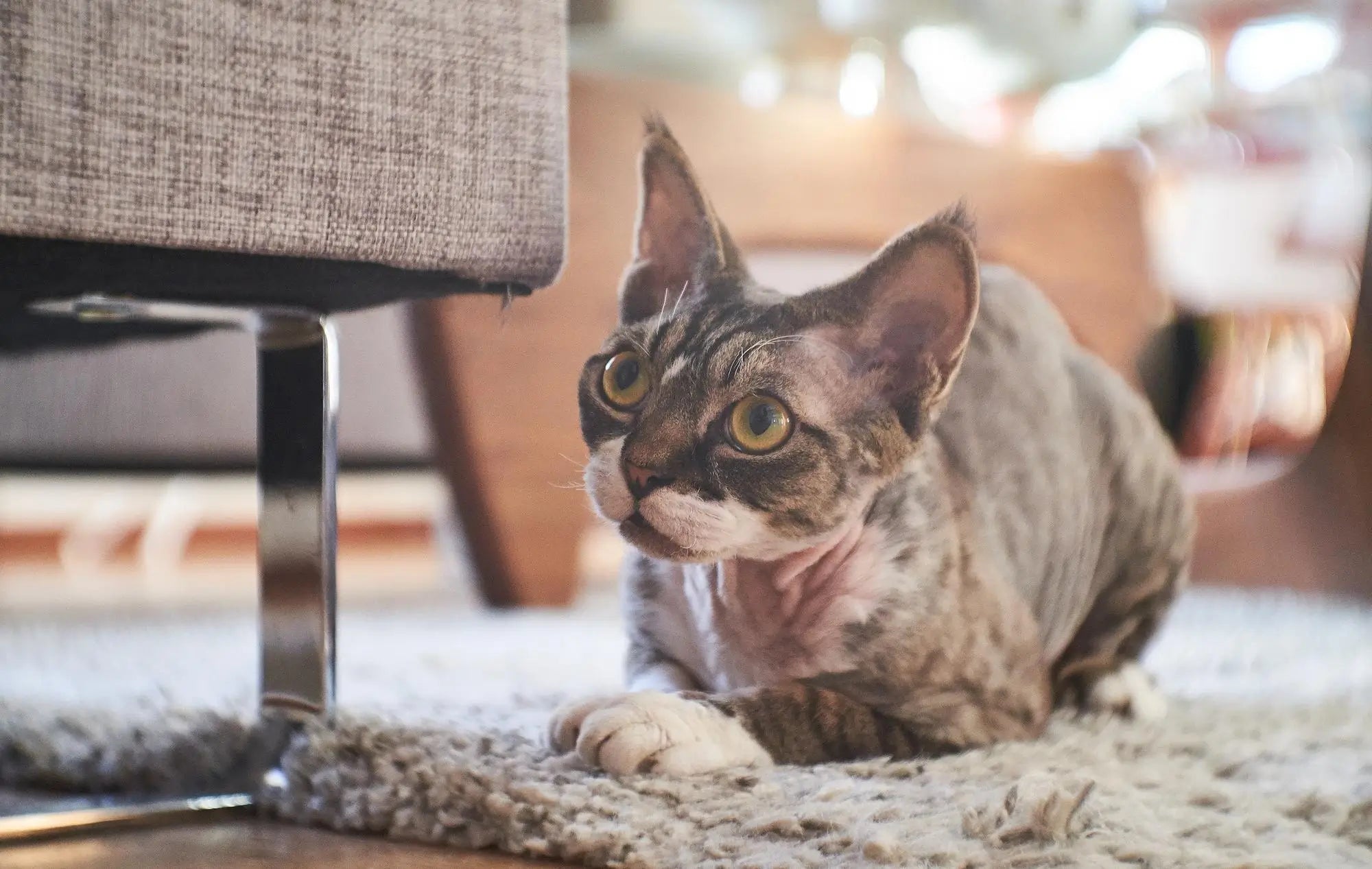
The Burmese is a sleek, muscular, short‑haired cat known for its golden eyes, silky coat and big personality. Affectionate, playful and highly people‑oriented, Burmese cats are ideal for households that want an interactive feline companion rather than a distant, independent pet.
This guide covers:
- Typical Burmese temperament and behaviour
- Grooming and day‑to‑day care
- Common Burmese health issues
- How to choose the right cat bed
- Why suitable cat litter boxes and hygiene are important
- FAQs for current and future Burmese owners
Burmese Temperament & Personality
Burmese cats are often described as confident, social and endlessly playful.
Typical traits:
- Very people‑oriented – like to be near or on their humans
- Often follow you around the house and “help” with everyday tasks
- Stay kitten‑like and playful well into adulthood
- Usually enjoy interactive games and toys
- Generally good with children and other pets when properly introduced
If you want a cat that behaves more like a small, energetic companion, the Burmese is an excellent choice.
Indoor Lifestyle & Environment
Most Burmese cats adapt very well to indoor life or indoor with secure outdoor access (catios, enclosed gardens). Because they are curious and people‑focused, free outdoor roaming can carry risks.
To keep a Burmese happy indoors:
- Provide vertical territory – cat trees, shelves, window perches
- Offer daily interactive play using wands, balls and puzzle toys
- Set up safe, cosy resting spaces with a comfortable cat bed in key areas where the family spends time
Many Burmese like to nap where they can still see what’s going on, so placing a cat bed in the living room or home office works especially well.
Explore suitable beds and houses:
👉 Skylos Cat Bed & House Collection
Grooming & Coat Care
The Burmese coat is short, fine and glossy, lying close to the body.
Grooming Routine
-
Brushing:
- Once a week is usually enough to remove loose hair and keep the coat shiny
-
Bathing:
- Rarely required; Burmese tend to keep themselves clean
Nails, Ears & Teeth
-
Nails:
- Regular trimming to keep them at a comfortable length
-
Ears:
- Check for wax or redness; clean with vet‑approved products if needed
-
Teeth:
- Routine dental care is important – ideally tooth brushing, or vet‑recommended dental products
A clean, soft cat bed helps keep the coat in good condition and gives your Burmese a dedicated place to rest after play.
Litter Habits & Cat Litter Boxes
Burmese cats are usually reliable with litter when their cat litter boxes are set up correctly.
Key points:
-
Box size:
- Medium to large boxes give enough space to move and dig comfortably.
-
Type:
- Many Burmese do well with either open or enclosed litter boxes – try both and see which your cat prefers.
- Stainless steel cat litter boxes are excellent for hygiene, odour control and durability.
-
Number of boxes:
- One per cat, plus one extra in multi‑cat homes.
-
Location:
- Quiet areas away from food bowls, but easy to access.
Explore practical, easy‑clean options:
👉 Skylos Cat Litter Boxes & Litters
Scooping daily and washing regularly keep a Burmese comfortable and prevents toileting problems.
Burmese Health: What to Watch For
With responsible breeding and good care, Burmese cats can be robust and long‑lived, but there are some breed‑linked health concerns.
1. Diabetes Mellitus
- Burmese cats have a higher risk of developing diabetes, particularly in some regional lines.
- Maintaining a healthy weight and avoiding obesity is critical.
2. Obesity
- Burmese love food and are often less active than when they were kittens.
- Excess weight increases the risk of diabetes, joint strain and other health issues.
Prevention:
- Measured meals rather than free‑feeding
- Daily play sessions to encourage activity
- Regular weight checks at home or at the vet
3. Craniofacial and Genetic Issues (in some lines)
- Responsible breeders screen for known hereditary problems and avoid affected lines.
4. Dental Disease
- As with many breeds, Burmese can suffer from periodontal disease.
- Routine dental care and vet check‑ups are important.
A comfortable cat bed and clean cat litter boxes, combined with good nutrition and vet care, support overall wellbeing.
Choosing the Best Cat Bed for a Burmese
Because Burmese cats are active, social and love being near their people, a good cat bed should be both comfortable and well‑positioned.
Look for:
-
Soft, padded support
- Encourages proper rest after bursts of play
-
Size:
- Medium size is usually ideal; enough space to curl or stretch slightly
-
Semi‑enclosed or bolstered designs
- Many Burmese enjoy leaning against raised sides or nestling into a cosy shape
-
Washable covers
- Remove and wash easily to manage hair and keep the bed fresh
Browse Burmese‑friendly beds here:
👉 Skylos Cat Bed & House Collection
Place at least one bed in a social area (living room, office) and another in a quieter space for undisturbed nap time.
Burmese Personality in Everyday Life
In a typical UK home, a Burmese will:
- Be actively involved in family life – they are not background cats
- Ask for play and interaction, especially in the morning and evening
- Often enjoy being picked up, sitting on laps, or sleeping in bed with their humans
- Cope well with older children and other friendly pets when introduced properly
They are best suited to people who are happy to provide attention, play and companionship every day – and who don’t mind a cat that wants to be truly part of the household.
Burmese FAQs
1. Are Burmese cats good family pets?
Yes, Burmese are usually excellent family cats:
- Affectionate, playful and people‑focused
- Often enjoy interacting with older, respectful children
- Adapt well to multi‑pet households if introductions are done carefully
They’re a good fit for families who can meet their social and play needs.
2. Do Burmese cats need a lot of grooming?
Not a lot:
- Their short coat is low‑maintenance – weekly brushing is usually enough
- Regular nail trims, ear checks and dental care are still necessary
A clean, comfy cat bed supports general coat and skin health.
3. Are Burmese indoor or outdoor cats?
Most Burmese do very well as indoor cats:
- They are people‑oriented and enjoy close contact
- Indoors, they are safer from road traffic and outdoor hazards
Secure outdoor access (catios, enclosed gardens) is a bonus, but not essential if indoor enrichment, play and comfort (including quality beds and clean cat litter boxes) are provided.
4. Are Burmese vocal?
Yes, many Burmese are quite talkative:
- They often use soft, musical voices to communicate
- They may “chat” with you, especially around mealtimes or when they want attention
If you like an interactive, communicative cat, this is usually a plus.
5. What kind of litter box is best for a Burmese?
Most Burmese do well with:
- Medium to large cat litter boxes
- Either open or enclosed designs – choose based on your cat’s preference
- Hygienic materials like stainless steel to keep odours down and surfaces clean
The key is cleanliness, correct size and a quiet location to encourage consistent use.
Friendly, intelligent and deeply attached to their humans, Burmese cats make wonderful companions in modern UK homes. With daily play, good nutrition, regular vet care, a soft cat bed to rest on and clean, well‑designed cat litter boxes, your Burmese can enjoy a long, active and affectionate life by your side.


