
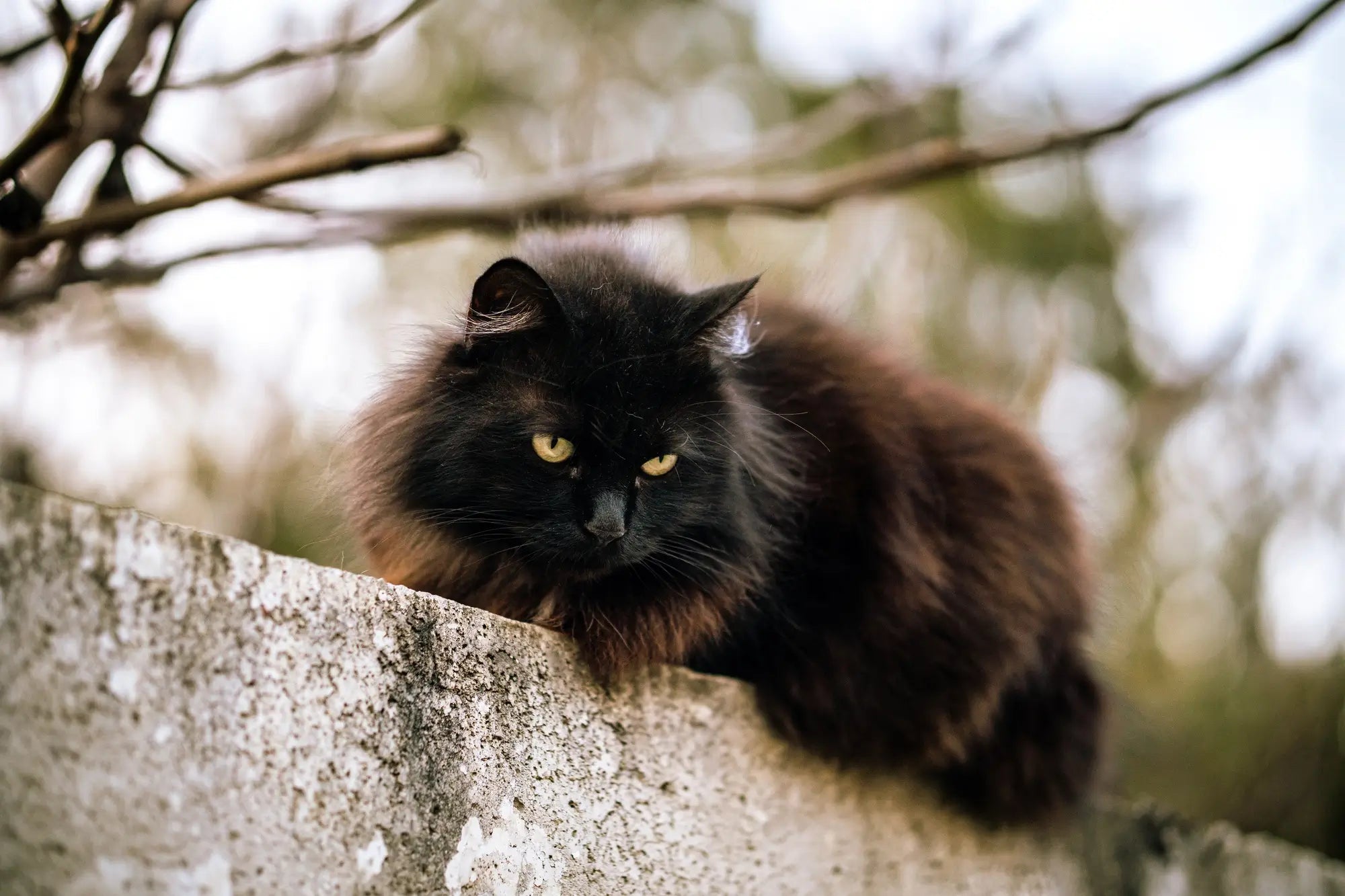
The Norwegian Forest Cat (often called “Wegie”) is a striking, semi‑longhaired breed with a wild, natural look and a calm, friendly personality. Originating from the forests of Scandinavia, this cat is built for cold climates but adapts surprisingly well to modern UK homes – as long as you meet their grooming, space and comfort needs.
This guide covers:
- Norwegian Forest Cat temperament and personality
- Grooming and everyday care
- Common health concerns
- How to choose the right cat bed
- Why appropriate cat litter boxes are important for a large, heavy cat
- FAQs for current and future Norwegian Forest Cat owners
Norwegian Forest Cat Temperament & Personality
Despite their wild appearance, Norwegian Forest Cats are typically:
- Gentle and good‑natured
- Friendly but not usually clingy or demanding
- Confident and curious, often enjoying elevated vantage points
- Generally good with children and other pets when properly introduced
They tend to be more laid‑back than some high‑energy breeds, but they still appreciate regular play and interaction, especially in the evenings.
If you want a calm, observant and affectionate cat that fits well into family life without being hyperactive, the Norwegian Forest Cat is an excellent choice.
Indoor Lifestyle & Environment
Although they come from outdoor, forest origins, Norwegian Forest Cats can adapt very well to indoor life or indoor plus secure outdoor access (catios, enclosed gardens).
To keep them happy indoors:
- Provide sturdy vertical spaces – strong cat trees and shelves that can handle a sizeable, muscular cat
- Offer interactive play daily: wand toys, chase games and puzzle toys
- Create cosy resting areas with large, supportive cat beds in quiet, draft‑free spots
Because of their size and coat, they particularly appreciate:
- High perches for observing
- Soft beds for long naps between bursts of activity
Browse suitable beds and houses:
👉 Skylos Cat Bed & House Collection
Grooming & Coat Care
Norwegian Forest Cats have a semi‑long double coat with:
- A water‑resistant outer layer
- A dense undercoat in colder seasons
- A ruff around the neck and “trousers” on the hind legs
Grooming Routine
-
Brushing:
- 2–3 times per week, and more frequently during shedding seasons (spring and autumn)
- Focus on armpits, belly and hindquarters to prevent mats
-
Bathing:
- Only occasionally needed; their coat is naturally water‑resistant and can take time to wet and dry
-
Nails, ears and teeth:
- Regular nail trims
- Ear checks and gentle cleaning if needed
- Dental care with brushing or vet‑recommended products
A clean, padded cat bed helps keep their coat cleaner between grooming sessions and offers a soft surface for a heavy body to rest on.
Litter Habits & Cat Litter Boxes for a Large Cat
Norwegian Forest Cats are typically reliable litter users, but their size and weight mean you must choose cat litter boxes carefully.
Key considerations:
-
Size:
- Choose extra‑roomy boxes that allow turning and digging without hanging over the edges.
-
Strength:
- Heavy cats need sturdy, non‑flexing boxes.
- Stainless steel litter boxes are ideal for durability, hygiene and odour control.
-
Type:
- High‑sided or enclosed boxes help contain litter scatter from strong digging.
- Ensure enclosed boxes are truly large enough to avoid crowding.
-
Placement:
- Accessible locations on levels they use most often – avoid making them climb many stairs to reach the tray.
Explore hygienic, large‑cat‑friendly options:
👉 Skylos Cat Litter Boxes & Litters
Daily scooping and regular washing are essential to keep a big, fluffy cat comfortable using the litter box.
Norwegian Forest Cat Health: What to Watch For
With good breeding and care, Norwegian Forest Cats can be healthy and long‑lived, but they are associated with some breed‑linked conditions.
1. Hypertrophic Cardiomyopathy (HCM)
- A heart disease seen in several purebred cats, including Norwegian Forest Cats.
- Responsible breeders screen for HCM where tests are available.
- Regular vet check‑ups and cardiac monitoring (as advised by your vet) are important.
2. Hip Dysplasia
- Larger breeds, including Norwegian Forest Cats, can be prone to hip dysplasia, leading to pain and arthritis.
- Keeping them at a healthy weight and providing a supportive cat bed helps protect joints.
3. Joint & Mobility Issues
- Their size and weight can put strain on joints as they age.
- Non‑slip flooring, ramps (if needed) and padded resting areas reduce impacts.
4. Obesity
- Indoor life plus a big appetite can lead to weight gain.
- Weight control is crucial to reduce stress on joints and heart.
Regular vet visits, a balanced diet, appropriate exercise and a joint‑friendly environment all play a key role in keeping a Norwegian Forest Cat healthy.
Choosing the Best Cat Bed for a Norwegian Forest Cat
Because they are large, heavy and fluffy, Norwegian Forest Cats need a bigger, more supportive cat bed than the average cat.
Look for:
-
Oversized dimensions
- Large enough for full stretch, side‑sleeping and lounging without falling off.
-
Thick, supportive padding
- Cushions joints and spine, especially for older or heavier cats.
-
Durable construction
- Strong stitching and quality fabrics that withstand weight and kneading.
-
Warm, semi‑enclosed options
- Many enjoy beds with bolsters or cat houses that provide cosiness without overheating.
-
Removable, washable covers
- Long fur sheds and can trap dirt; easy‑wash covers make maintenance practical.
Browse Norwegian Forest Cat‑friendly beds and houses here:
👉 Skylos Cat Bed & House Collection
Norwegian Forest Cat Personality in Everyday Life
In a typical UK home, a Norwegian Forest Cat will:
- Enjoy perching high to watch everything
- Be friendly and sociable without being overly needy
- Appreciate interactive play but also value long, relaxed naps
- Do well with children and other pets when introductions are managed thoughtfully
They’re a good match for families or individuals who appreciate a calm, confident cat that still enjoys active play and exploration.
Norwegian Forest Cat FAQs
1. Are Norwegian Forest Cats good family pets?
Yes, they usually are:
- Gentle and tolerant, especially when raised with children and other pets
- Enjoy being around people without always demanding attention
They do well in homes that can provide space, stimulation and comfortable resting spots.
2. Do Norwegian Forest Cats need a lot of grooming?
They need moderate to high grooming, especially during shedding seasons:
- Brush 2–3 times per week normally
- Increase to daily brushing during heavy moults
- Pay attention to common mat areas (armpits, belly, hind legs)
A clean, soft cat bed helps keep the coat smoother and reduces tangling.
3. Are Norwegian Forest Cats indoor or outdoor cats?
Both are possible:
- Many owners keep them indoors or with secure outdoor access for safety.
- If allowed outdoors, they still need indoor comforts, including large beds and sturdy cat litter boxes if they use trays.
Indoor‑only cats rely more heavily on vertical space, play and soft resting areas to stay content.
4. How big do Norwegian Forest Cats get?
They are a large breed:
- Males can weigh 5–7+ kg, females slightly less.
- They are slow to mature and may not reach full size until 3–4 years old.
Their size is why you should choose oversized beds and litter boxes.
5. What kind of litter box is best for a Norwegian Forest Cat?
Ideal cat litter boxes:
- Extra‑large, with plenty of internal space
- Strong materials such as stainless steel to handle weight and digging
- High sides or covered if you want to minimise scatter
- Placed in accessible, non‑cramped locations
Clean, roomy boxes encourage good litter habits and reduce stress.
Majestic, gentle and quietly affectionate, the Norwegian Forest Cat is a wonderful companion for those who can meet its grooming and space needs. With regular brushing, a warm, oversized cat bed and sturdy, hygienic cat litter boxes, your forest‑born friend can live a comfortable, enriched life in your UK home.


