
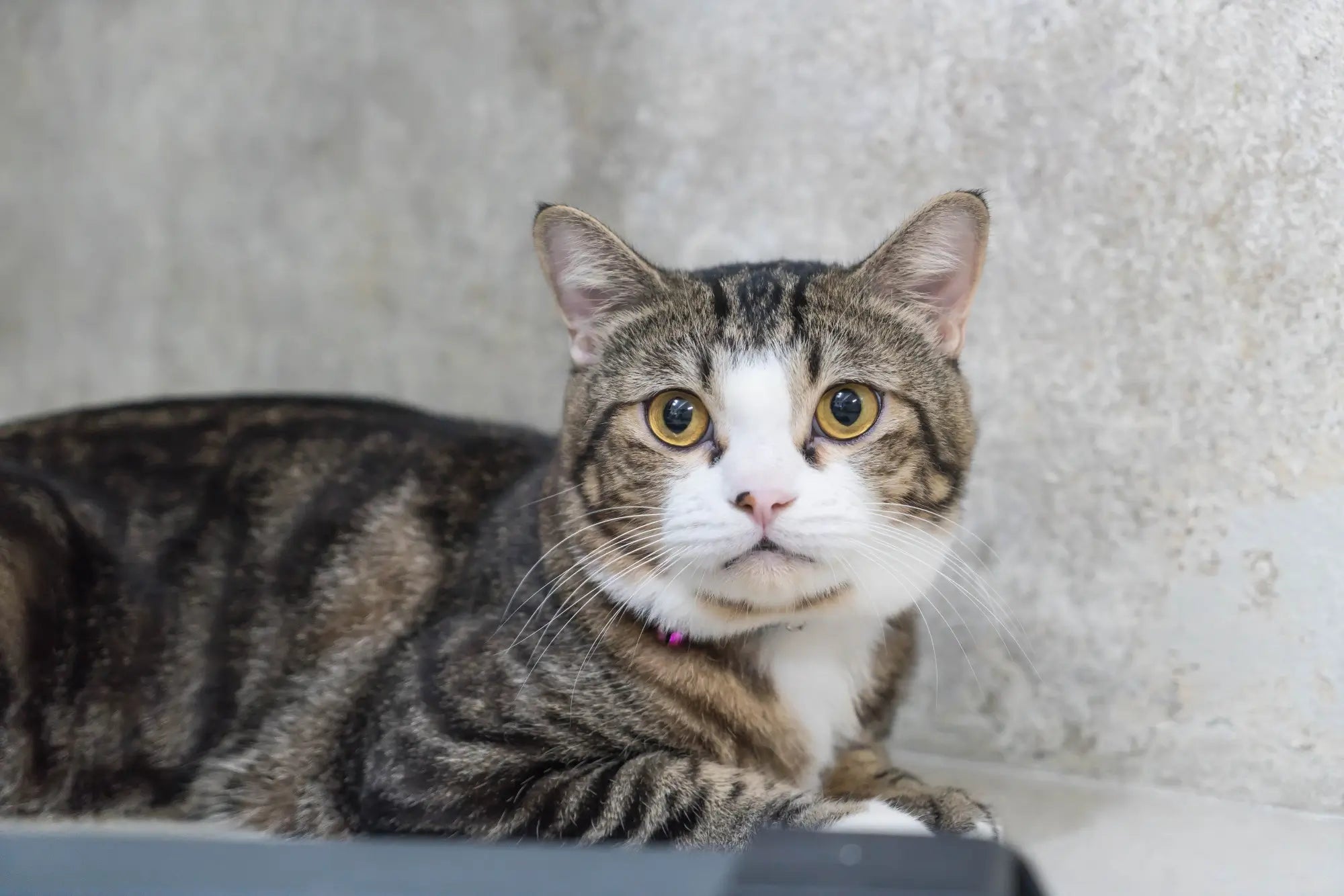
The Domestic Shorthair (DSH) is the most common cat you’ll meet in UK homes and shelters. Not a single pedigree breed, but a mix of different backgrounds, Domestic Shorthairs come in almost every colour, pattern and personality type you can imagine.
What they share is a generally robust constitution, low‑maintenance coat and huge variety of temperaments – making them brilliant companions when matched to the right home.
This guide covers:
- What a Domestic Shorthair actually is
- Typical DSH temperament and behaviour
- Grooming and everyday care
- Common health considerations
- How to choose the right cat bed for a Domestic Shorthair
- Why good cat litter boxes and hygiene still matter
- FAQs for current and future Domestic Shorthair owners
What Is a Domestic Shorthair?
A Domestic Shorthair is:
- A cat of mixed or unknown ancestry
- Not a registered pedigree breed
- Characterised mainly by having a short coat
Domestic Shorthairs can look like:
- Solid colours, tabby, tortie, bicolour, calico and more
- Slim, athletic builds or stockier frames
- A wide range of personalities – from shy and reserved to bold and outgoing
Because they don’t conform to a strict breed standard, it’s important to treat each Domestic Shorthair as an individual, rather than expecting a specific stereotype.
Domestic Shorthair Temperament & Personality
There is no single DSH temperament, but some common patterns appear:
- Many are friendly and adaptable, especially when well socialised early
- Others may be more independent or cautious, especially ex‑strays or rescue cats
- Activity levels vary – some are laid‑back sofa companions, others are playful athletes
Generally:
- Domestic Shorthairs can make excellent family pets when their personality is matched to the household
- Many enjoy human company but may not be lap cats all the time
- They are often intelligent and benefit from interactive play and enrichment
If you’re adopting, rescue staff can usually give you a good idea of that specific cat’s personality, which matters more than “breed”.
Indoor Lifestyle & Environment
Domestic Shorthairs can thrive as:
- Indoor‑only cats
- Indoor cats with secure outdoor access (catios, enclosed gardens)
- Controlled outdoor cats (with careful road risk management)
For indoor or mostly indoor DSH cats:
- Provide vertical spaces like cat trees, shelves and window perches
- Offer daily interactive play (wands, balls, chase toys)
- Set up quiet, cosy resting spots with a comfortable cat bed
A dedicated cat bed or cat house gives your DSH a safe, predictable place to rest and feel secure.
Browse options here:
👉 Skylos Cat Bed & House Collection
Grooming & Coat Care
One of the biggest advantages of the Domestic Shorthair is their low‑maintenance coat.
Grooming Routine
-
Brushing:
- Once a week is often enough for many DSH cats
- More frequently during shedding seasons to control hair and hairballs
-
Bathing:
- Rarely needed unless the cat gets into something messy – most DSH cats keep themselves very clean
Nails, Ears & Teeth
-
Nails:
- Regular trims (especially for indoor cats) prevent overgrowth and snagging
-
Ears:
- Occasional checks for wax build‑up or redness
-
Teeth:
- Dental care is important – brushing if possible, or vet‑recommended dental products
A clean, padded cat bed helps keep your cat off cold floors and reduces contact with dirt and dust.
Litter Habits & Cat Litter Boxes
Domestic Shorthairs are typically reliable litter box users when their cat litter boxes are set up well.
Key considerations:
-
Box size:
- Choose a litter box that allows your cat to turn around and dig comfortably – medium to large is ideal for most adults.
-
Type:
- Many DSH cats do well with either open or enclosed boxes – test both if you’re unsure.
- Stainless steel cat litter boxes are excellent for hygiene and odour control.
-
Number of boxes:
- One box per cat, plus one extra in multi‑cat households.
-
Location:
- Quiet, easy‑to‑access spots away from food and water dishes.
Explore practical, hygienic options:
👉 Skylos Cat Litter Boxes & Litters
Daily scooping and regular washing keep your cat comfortable and your home smelling fresh.
Domestic Shorthair Health: What to Watch For
Because Domestic Shorthairs are mixed‑breed cats, they tend to be genetically diverse, which can reduce the risk of some inherited breed‑specific conditions. However, they’re still vulnerable to many of the same general health issues as other cats.
Common concerns include:
1. Obesity
- Indoor and free‑fed DSH cats can easily gain weight.
- Obesity increases the risk of diabetes, joint issues and other diseases.
Prevention:
- Measured feeding instead of “all‑day buffet”
- Regular play and activity
- Vet‑monitored weight checks
2. Dental Disease
- Plaque and tartar build‑up is very common in cats.
- Regular dental care and professional cleanings (as advised by your vet) are important.
3. Kidney & Urinary Issues
- Like many cats, DSH cats may develop kidney disease or urinary tract problems as they age.
- Plenty of fresh water, wet food (if suitable) and monitoring of litter box habits are key.
4. Joint Pain & Arthritis in Seniors
- Older cats can develop stiffness and arthritis.
- A soft, supportive cat bed makes resting more comfortable.
Routine vet check‑ups, vaccination, parasite control and a balanced diet are essential for long‑term health, just as with any pedigree breed.
Choosing the Best Cat Bed for a Domestic Shorthair
Because Domestic Shorthairs vary widely in size and personality, there’s no one “perfect” bed – but some general guidelines apply.
Look for:
-
Comfortable padding
- Enough cushioning to support joints and encourage longer, deeper sleep.
-
Correct size
- Small to medium for petite cats, medium to large for bigger DSH cats.
- Room to curl up or stretch slightly.
-
Design that matches personality
- Shy or anxious cats may prefer enclosed or hooded beds.
- Confident, social cats may like open, bolstered beds in busy rooms.
-
Easy‑clean covers
- Removable and machine‑washable to manage shedding and dirt.
Browse a range of styles that suit different DSH personalities:
👉 Skylos Cat Bed & House Collection
Domestic Shorthair Personality in Everyday Life
In a typical UK home, a Domestic Shorthair might be:
- A calm, steady lap cat who loves evenings on the sofa
- An active, playful hunter who enjoys games and puzzle toys
- A shy but sweet companion who bonds deeply with one or two people
What they have in common:
- They benefit from routine, kindness and enrichment.
- They appreciate predictable feeding, playtime and quiet, safe rest areas.
- They thrive when treated as individuals, not just “any cat”.
A good setup includes:
- At least one comfortable cat bed
- Clean, well‑maintained cat litter boxes
- Scratching posts, toys and climbing options
Domestic Shorthair FAQs
1. Are Domestic Shorthairs good family cats?
Often yes – many DSH cats make excellent family companions:
- Robust, adaptable and found in a wide range of temperaments
- Rescue centres can help match you with a cat suited to children, dogs or quieter adults
Always supervise interactions with young children and teach gentle handling.
2. Do Domestic Shorthairs need much grooming?
Not much compared to longhaired breeds:
- Weekly brushing is usually enough to remove loose hair and reduce shedding.
- Nail trims, ear checks and dental care are still important.
A comfy, clean cat bed supports coat and skin health by giving them a preferred sleeping spot.
3. Should Domestic Shorthairs be indoor or outdoor cats?
It depends on:
- Your location (traffic, predators, neighbours)
- Individual temperament (bold vs fearful)
- Your personal views on indoor vs outdoor cat safety
Many UK owners now keep cats indoors or with secure outdoor access. Indoor cats rely more on enrichment and comfortable resting places, including beds and cat litter boxes.
4. Are Domestic Shorthairs healthier than pedigree cats?
They often have fewer breed‑specific genetic issues due to mixed ancestry, but:
- They are still prone to common feline diseases (dental, kidney, obesity).
- Good care, diet and vet support are essential, regardless of pedigree.
5. What kind of litter box is best for a Domestic Shorthair?
Most DSH cats do well with:
- Medium to large cat litter boxes
- Either open or enclosed styles – based on individual preference
- Hygienic materials like stainless steel for easy cleaning and better odour control
The most important things are cleanliness, the right size and a quiet location.
Domestic Shorthairs may not have fancy papers, but they’re every bit as loving, entertaining and rewarding as any pedigree cat – sometimes more so. With a balanced diet, vet care, interactive play, a soft cat bed to call their own and clean cat litter boxes, your DSH can enjoy a long, comfortable and deeply bonded life by your side.


