
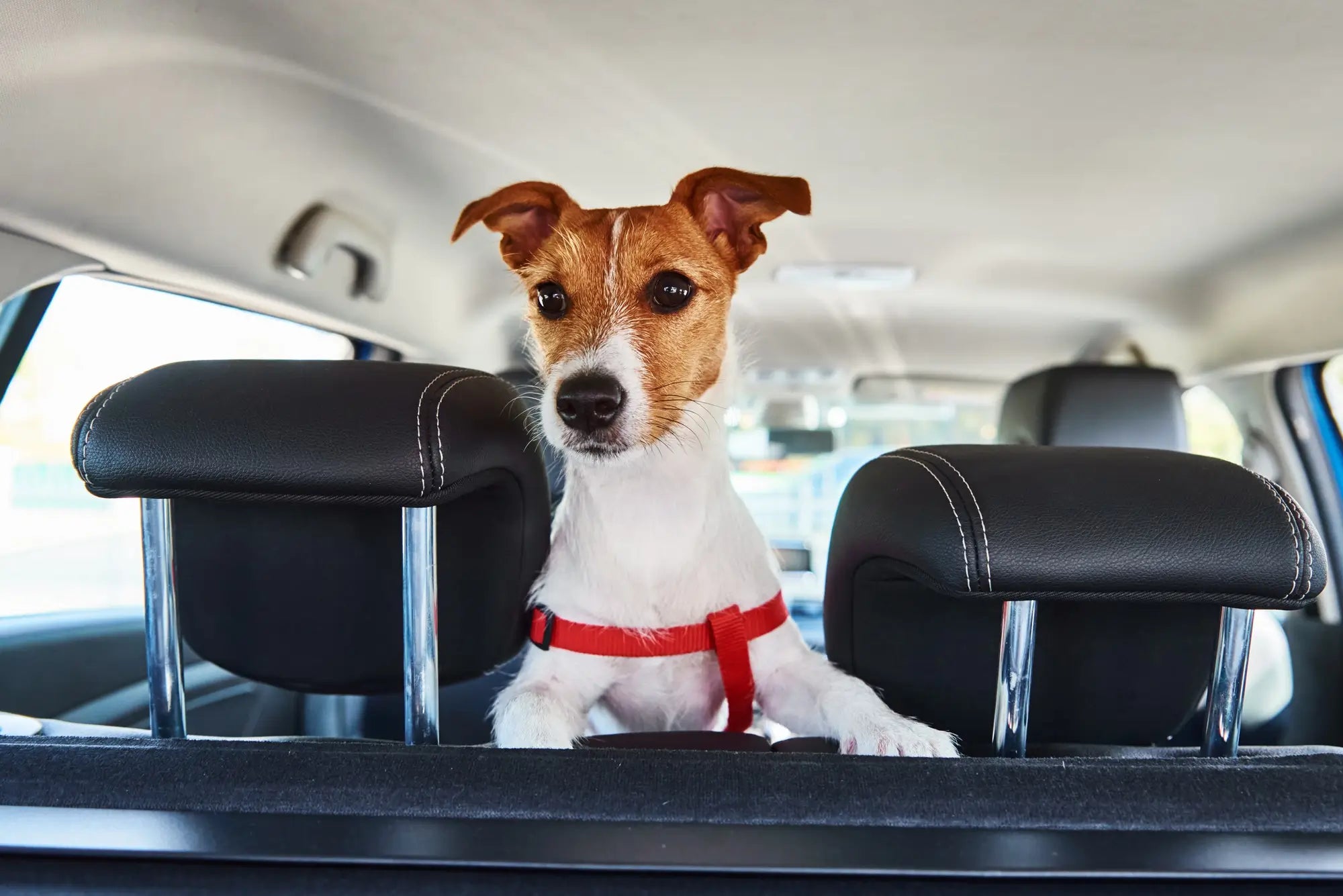
From quick trips to the vet to long weekend getaways, many UK dog owners regularly drive with their dogs in the car. But while seat belts and airbags are standard for humans, many dogs still travel loose on seats or in footwells—something that’s risky for both the dog and the driver.
A well‑designed dog car seat can make journeys much safer and more comfortable, especially for small and medium dogs. It helps prevent distractions, protects your dog in sudden stops and keeps your car cleaner.
In this guide, we’ll look at why dog car seats are worth considering, the different types available, how to choose the right one for your dog and car, and how to help your dog feel relaxed using it. Throughout, we’ll reference options from the Pet Skylos dog car seats & strollers collection, designed for real UK vehicles and weather.
Why Letting Your Dog Roam Free in the Car Is Risky
It might seem harmless to let your dog:
- Sit on your lap
- Move freely across the back seats
- Stand with paws on the armrest or windowsill
But in reality, this can be dangerous because:
-
Driver distraction
A dog moving suddenly, trying to climb into the front or blocking mirrors can distract you at critical moments. -
Injury risk in sudden stops
In a hard brake or collision, an unrestrained dog can be thrown forward with great force, hitting the dashboard, windscreen or other passengers. -
After‑crash chaos
A frightened dog might bolt out of a broken door or window, creating further hazards on the road or in busy car parks.
Using a proper dog car seat reduces these risks by giving your dog a dedicated, secure and comfortable space.
What Is a Dog Car Seat?
A dog car seat is a structured seat or box that attaches to your car’s seat using:
- The existing seat belt system
- Headrest straps
- Or a combination of both
Inside the seat, there is typically:
- Soft padding and raised sides
- A built‑in tether to clip to your dog’s harness
- A base designed to keep mud, fur and dirt away from your upholstery
Many dog car seats in the Pet Skylos collection also raise your dog up slightly, acting as a booster so they can see out of the window, which can help reduce anxiety and motion sickness.
Types of Dog Car Seats for UK Vehicles
1. Booster Dog Car Seats
Booster seats are ideal for small and some medium‑sized dogs.
Features:
- Raised base to lift your dog higher
- Box‑like structure with padded sides
- Harness tether inside for attachment
Best for:
- Small breeds that like to look out of the window
- Nervous dogs that feel better being able to see you
- UK city and motorway driving, where there’s lots to look at
The Pet Skylos dog car seats include elevated booster designs that give small dogs a better view and a safer, contained space.
2. Box‑Style Dog Car Seats
Box‑style seats are slightly deeper and more like a padded crate without a roof.
Features:
- Deep, cushioned interior
- Higher sides for security
- Often attach via seat belt and headrest straps
Best for:
- Dogs that prefer to curl up and sleep during journeys
- Slightly larger small/medium dogs that need more space to lie down
- Longer trips where comfort is a top priority
3. Multi‑Use Travel Seats and Strollers
Some travel systems combine:
- A dog car seat
- A carry bag
- And/or a stroller frame
These systems are helpful if you:
- Regularly take your dog to the vet
- Live in urban areas and walk through busy roads
- Have a senior or mobility‑impaired dog
You can secure the unit in the car using straps, then detach and use it as a carrier or stroller outdoors.
The Pet Skylos car seats & strollers collection offers travel solutions that adapt to both car and pavement.
How to Choose the Right Dog Car Seat for Your Dog
1. Match the Seat to Your Dog’s Size and Weight
Check:
- Maximum weight limit of the dog car seat
- Dimensions of the inner space—can your dog sit, turn and lie down comfortably?
Guidelines:
- Small dogs (e.g. Pomeranians, Chihuahuas, Yorkies):
- Most compact booster seats work well.
- Slightly larger small/medium dogs (e.g. Cavaliers, small Cockapoos, Pugs):
- Choose a deeper, roomier box‑style seat.
A good dog car seat should feel snug but not cramped.
2. Consider Your Car Type and Seat Layout
Think about:
- Do you mainly use the front passenger seat or back seats?
- Is your car a hatchback, saloon or SUV?
- Do you often fold down seats or carry passengers?
For most UK cars:
- Back seat placement is usually safest and easiest
- Using the seat belt and headrest gives the best stability
- A compact design is ideal if your car is small or narrow
Check product photos and measurements to ensure the dog car seat will fit your preferred location.
3. Look for Secure Attachment Points
Safety depends on how well the seat attaches to the car and your dog attaches to the seat.
Look for:
- Strong straps that loop around headrests and seat backs
- Openings or slots for the car’s seat belt to pass through the base
- An internal tether that clips to a harness (never to a collar)
Dog car seats in the Pet Skylos range are designed with secure anchoring in mind, so the seat stays put even in sharp turns or sudden stops.
4. Prioritise Comfort for Longer Journeys
To help your dog relax on drives around the UK:
- Choose well‑padded interiors
- Look for supportive side walls they can lean against
- Consider a seat big enough for them to curl up and sleep in
A comfortable dog car seat:
- Reduces anxiety
- Makes longer trips (holidays, visiting family) more enjoyable
- Encourages your dog to see the seat as a safe, familiar place
5. Think About Cleaning and British Weather
Wet walks, muddy paws and shedding are part of life with dogs, especially in the UK.
Look for dog car seats with:
- Water‑resistant or waterproof outer fabrics
- Removable, machine‑washable cushion covers
- The ability to wipe interior and exterior surfaces easily
This helps protect your car upholstery and keeps odours under control.
Safety Tips for Using a Dog Car Seat
Always Attach the Tether to a Harness, Not a Collar
In the event of:
- Sudden braking
- Minor collision
A tether attached to a collar can cause neck injuries. A proper dog harness:
- Spreads force across the chest and shoulders
- Greatly reduces injury risk
Place the Seat in a Safe Position
In most cases:
- The back seat is safer than the front
- Avoid areas with active airbags that could deploy towards your dog
- Secure the seat so it can’t slide or tip
If you must use the front passenger seat, always check your car manual and be mindful of airbag risks.
Don’t Use the Seat as a Substitute for Restraint
A dog car seat is not just a comfy box—it must be used with:
- Internal tether
- Possibly a dedicated car harness
Your dog should not be able to freely jump out of the seat and into the driver’s area.
Helping Your Dog Get Used to a Dog Car Seat
Some dogs love the seat right away; others need time.
Step 1: Introduce the Seat at Home
- Bring the dog car seat indoors
- Let your dog sniff and explore it freely
- Place a favourite blanket or toy inside
- Reward them for stepping into the seat
Step 2: Short, Positive Car Sessions
- Start with very short drives around the block
- Sit with them (if you have another driver) and reward calm behaviour
- Keep the first few trips positive—no stressful vet visits if possible
Step 3: Build Up to Longer Journeys
- Gradually increase travel time
- Keep using calm praise and occasional treats
- If your dog gets anxious, shorten the trip and rebuild slowly
The aim is for your dog to associate the dog car seat with safety, comfort and positive experiences—not just going to the vet.
Keeping Your Car Cleaner with a Dog Car Seat
Beyond safety, dog car seats help protect your interior from:
- Fur
- Mud and water
- Scratches from claws
With:
- Raised sides
- Wipe‑clean materials
- Removable inner pads or blankets
…most of the mess stays in the dog car seat, not on your fabric or leather seats.
For UK weather, choosing water‑resistant dog car seats from the Pet Skylos collection makes post‑walk clean‑up quicker and easier.
FAQs: Dog Car Seats in the UK
1. Are dog car seats legal in the UK?
UK law requires drivers to ensure dogs are suitably restrained so they cannot distract the driver or injure themselves/others in an emergency stop. A properly installed dog car seat with a harness tether is one way to meet this requirement, alongside crates and harnesses attached to seat belts.
2. What size dog car seat do I need?
Choose a size where your dog can:
- Sit upright
- Turn around
- Lie down comfortably
Check the maximum weight rating and inner dimensions. When in doubt, go slightly larger, especially for dogs that like to stretch out.
3. Can I use a dog car seat for more than one dog?
For very small dogs, some larger seats may safely hold two—but only if:
- The seat is rated for their combined weight
- Each dog has its own tether and harness
- There is enough space for both to lie down comfortably
In many cases, it’s safer and calmer to use one dog car seat per dog.
4. How do I clean a dog car seat?
Most quality dog car seats feature:
- Removable, washable inner cushions or covers
- Wipe‑clean outer fabrics
Regularly:
- Shake out fur and debris
- Wipe surfaces with a damp cloth
- Wash removable covers according to instructions
5. Where can I buy dog car seats designed for UK vehicles?
At Pet Skylos, our car seats & strollers collection includes:
- Booster dog car seats for small and medium dogs
- Stable, harness‑tethered designs for UK cars
- Water‑resistant, easy‑clean materials suited to British weather
If you want to keep your dog safer and more comfortable on car journeys—while protecting your seats—choosing the right dog car seat is one of the simplest and most effective upgrades you can make.


