
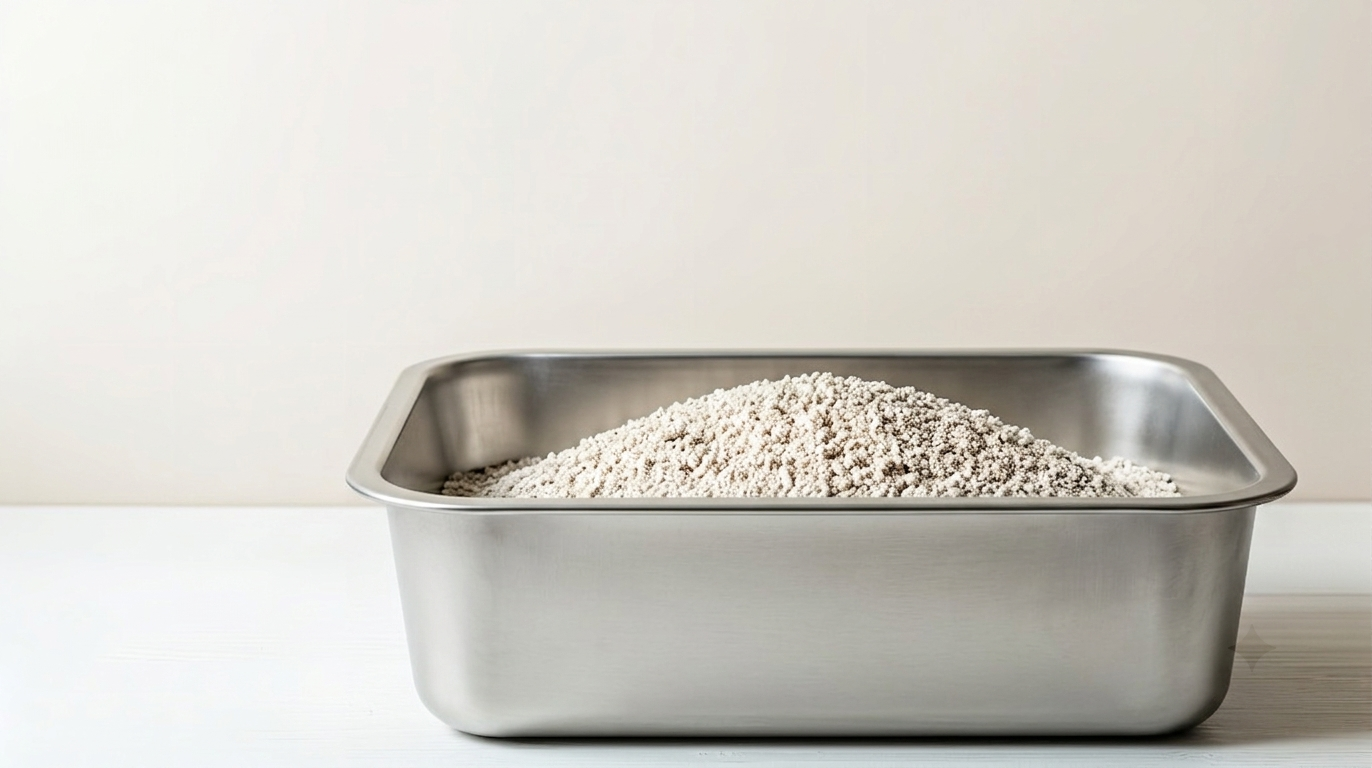
When you think of a cat litter box, you probably picture a simple plastic tray or covered box. In recent years, though, stainless steel cat litter boxes have become more popular, especially among owners who want something more durable and hygienic.
So which is better for your cat and your UK home—traditional plastic or stainless steel?
In this guide, we’ll compare plastic cat litter boxes and stainless steel cat litter boxes on hygiene, durability, comfort, noise, and practicality. We’ll also help you decide which type suits your cat, your cleaning style and the way your home is laid out, with examples from the Pet Skylos cat litter boxes collection.
1. Hygiene and Odour Control
Plastic Cat Litter Boxes
Most plastic cat litter boxes are made from durable plastic that’s relatively easy to wash. However, over time:
- Scratches from scooping and digging can create tiny grooves
- These grooves trap urine residue and bacteria
- Smells can linger even after you clean the box
If you’ve ever had an older plastic litter tray that still smells no matter how much you wash it, this is usually why.
Stainless Steel Cat Litter Boxes
Stainless steel is:
- Non‑porous – it doesn’t absorb odours
- Resistant to scratching (much harder surface than plastic)
- Easy to clean thoroughly with simple detergents
Because there are fewer scratches and pores, smells are less likely to get “stuck” in the material. That makes stainless steel cat litter boxes especially attractive for homes where the litter box is in a small bathroom, hallway or UK flat.
2. Durability and Lifespan
Plastic
Pros:
- Lightweight and easy to move
- Available in many shapes (covered, open, top‑entry, high‑sided)
- Usually cheaper up‑front
Cons:
- More likely to scratch and wear over time
- Can crack or warp if handled roughly or exposed to very hot water
- May need replacing every few years, especially with heavy use
Plastic boxes in the Pet Skylos collection are chosen for durability, but any plastic will eventually show wear, especially in multi‑cat homes.
Stainless Steel
Pros:
- Very hard‑wearing – unlikely to crack or warp
- Resistant to scratching from scoops and digging
- Can last many years with proper care
Cons:
- Heavier than plastic
- Typically more expensive at purchase
If you want a litter box that will last long‑term and tolerate frequent deep cleaning, stainless steel has a clear advantage.
3. Comfort and Behaviour: What Does Your Cat Think?
Temperature and Surface Feel
In UK homes, plastic cat litter boxes:
- Tend to feel closer to room temperature
- Don’t feel particularly cold to the touch
- Are usually lined with a comfortable depth of litter
Stainless steel can:
- Feel cooler to the touch, especially in winter or in unheated rooms
- Sometimes be noisier when paws or litter hit the surface
That said, when you maintain a good depth of litter, your cat is standing on the litter, not on the base—so the material under the litter matters less for their paws, and more for hygiene and cleaning.
Cat Preference
Most cats don’t have a strong opinion on the base material, as long as:
- The size is right – big enough to turn and dig
- The litter type suits them
- The location feels safe and quiet
Cats are usually more sensitive to:
- Box shape (open vs covered vs top‑entry)
- Privacy and noise around the box
- How clean it stays
Both plastic and stainless steel can work well, provided the litter box is the right size and placed in a good spot. The Pet Skylos litter box range focuses above all on comfort and usability for the cat.
4. Noise and Vibration (Especially in Flats)
In smaller UK flats, noise matters—especially if the litter box is near bedrooms or thin walls.
- Plastic litter boxes tend to be quieter when your cat digs or covers.
- Stainless steel can produce more noise when litter hits the metal base or when scoops scrape the surface.
Most owners find the noise difference minor, but if you’re very sensitive to sound or your cat is extremely noisy in the box, this is worth considering.
5. Shape, Styles and Features
Plastic Cat Litter Boxes
Plastic is highly flexible to mould, so you’ll find:
- Open trays – simple and ideal for kittens or seniors
- Covered / hooded boxes – better for privacy and odour control
- Top‑entry boxes – great for scatter control in small flats
- High‑sided boxes – good for vigorous diggers and “high pee‑ers”
This variety makes plastic ideal if you:
- Need a box to fit into a particular awkward space
- Want a certain aesthetic (neat, discreet, modern)
- Have multiple cats with different needs
The Pet Skylos cat litter boxes collection includes a range of these plastic designs to suit UK bathrooms, utility rooms and small apartments.
Stainless Steel Cat Litter Boxes
Stainless steel boxes are more often:
- Simple, open rectangular or oval trays
- High‑sided open pans
- Occasionally paired with removable plastic/wood covers or furniture
They may have fewer built‑in style options (no moulded hood, for example), but they excel in simplicity and hygiene.
6. Price and Long‑Term Value
Up‑Front Cost
- Plastic cat litter boxes: lower initial price, widely available
- Stainless steel cat litter boxes: higher initial cost
Long‑Term
If you:
- Replace plastic boxes every 1–2 years due to scratches or odour
- Have multiple cats
- Clean very frequently
…a stainless steel box can become more cost‑effective over time, because you buy once and keep it for many years.
However, if you:
- Have 1–2 cats
- Clean regularly
- Choose a good quality plastic litter box
…plastic boxes from the Pet Skylos range can still offer excellent value and performance.
7. Which Is Easier to Clean?
Plastic
Easier when:
- Surfaces are still smooth and not too scratched
- The box has rounded corners and removable lids
Harder when:
- Plastic becomes rough and stained
- Odours have absorbed into deep scratches
Stainless Steel
Cleaning is generally:
- Very straightforward – scoop, empty, wash, wipe dry
- Less likely to retain odour after washing
- More tolerant of stronger cleaners (though mild detergents are usually enough)
If you particularly hate deep‑cleaning litter boxes, stainless steel can make the job faster and more satisfying.
8. Which Material Is Better for UK Homes?
Choose Plastic If:
- You want maximum variety in shape and style (covered, top‑entry, high‑sided)
- You’re on a tighter initial budget
- You prioritise quieter operation, especially in bedrooms or flats
- You need a design that blends with bathroom or utility room décor
Plastic boxes in the Pet Skylos litter box collection are chosen to be:
- Durable
- Easy to clean
- Suitable for UK homes with limited space
Choose Stainless Steel If:
- Hygiene and odour control are your top priorities
- You clean frequently and want a box that stays fresh for years
- You have a multi‑cat household with heavy use
- You want a “buy once, keep for a long time” solution
Even if you opt for stainless steel, you can still pair it with:
- A litter mat
- A surrounding screen or piece of furniture
- A plastic hood or cover (if compatible)
to manage aesthetics and scatter in your UK home.
9. Can You Mix Both Plastic and Stainless Steel?
Yes—and many owners do.
For example:
- Use a stainless steel cat litter box as the main box in the area where odour matters most (e.g. near the living room).
- Use one or two plastic cat litter boxes in secondary locations (e.g. bathroom, utility room, upstairs) for extra options and coverage.
This can be especially helpful in multi‑cat homes or in flats where you combine function + appearance.
FAQs: Plastic vs Stainless Steel Cat Litter Boxes
1. Are stainless steel cat litter boxes really less smelly?
Typically, yes. Because stainless steel is non‑porous and more scratch‑resistant, it is less likely to hold onto odours over time. However, you still need a good cleaning routine—no material can compensate for infrequent scooping.
2. Are plastic cat litter boxes bad for cats?
No, not if they’re good quality and cleaned regularly. Plastic cat litter boxes are the most common choice and work very well for most cats, especially when:
- The box is big enough
- Odour is managed through cleaning
- The location suits the cat’s need for privacy and safety
3. Do cats care whether the litter box is plastic or stainless steel?
Most cats care far more about:
- Whether the box is clean
- Its size and shape
- Its location and privacy level
The material mainly affects you (cleaning, odour control, durability) rather than the cat, as long as there is enough litter in the box.
4. Which is easier to find in UK stores?
Plastic cat litter boxes are more widely available in UK pet shops and online. Stainless steel litter boxes are less common but increasingly available through speciality brands and online retailers.
5. Where can I find easy‑clean cat litter boxes for a UK home?
At Pet Skylos, our cat litter boxes & trays collection focuses on:
- Easy‑clean surfaces
- Covered, open and high‑sided designs
- Practical shapes that fit UK bathrooms, utility rooms and flats
Whether you choose plastic or pair it with stainless steel, the most important thing is choosing a cat litter box that fits your cat, your space and your cleaning routine—so both your home and your cat stay happy.


